**BUMPED** Today, Sunday September 11, 2022, is the 600th day of Joe Biden in office. It is also the 10th anniversary of the attack at a U.S. embassy outpost in Benghazi, Libya.
The “Benghazi Brief” remains the most in-depth research report CTH has ever produced. The brief took two years of research to assemble and contains hundreds of very specific citations supporting it. Eight years after the brief was originally written in 2014, nothing within the outline has ever been identified as inaccurate. It has been updated below adding context depth from current events.
The Benghazi Brief

We know from the Bret Baier interview with Hillary Clinton that she was physically located at her 7th floor office in Washington DC on the night of the attack 9/11/12.
Unfortunately, we also know during the November 2012 Thanksgiving holiday a mysterious fire took place in that building. Well, actually directly above her exact office – cause undetermined.
A “fire” which preceded an unfortunate slip and fall for the Secretary, resulting in a concussion, which led to the discovery of a blood clot, that ultimately delayed her congressional testimony before a Senate Hearing into the events of the night in question.
We know the Libyan uprising began on February 10th of 2011, and we also know that sometime around the end of February 2011 President Obama signed a presidential directive authorizing the State Dept and CIA to begin a covert operation to arm the Libyan “rebels”.
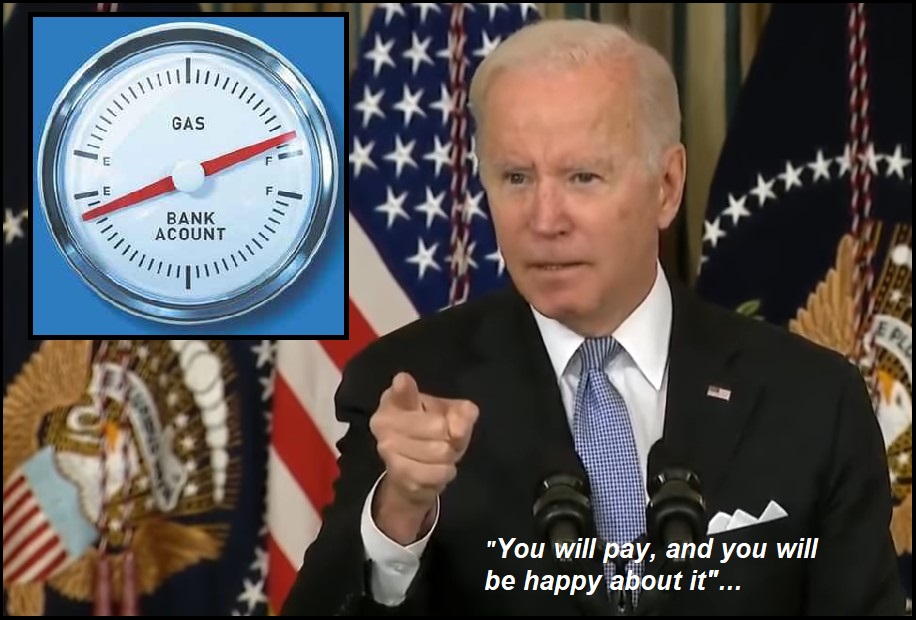 The author accurately refutes the notion that exports do not drive-up domestic prices, by walking through the example of how natural gas prices dropped for U.S. consumers when the liquefied natural gas plant in Quintana, Texas [Freeport LNG] was temporarily shut down, blocking a portion of the export capacity. However, that facility is about to come back on-line and with increased exports from other facilities domestic U.S. prices have already doubled.
 Absent of any desire to raise energy supply and/or energy production, monetary policy can support the goal of lowering energy use by driving down all economic activity.
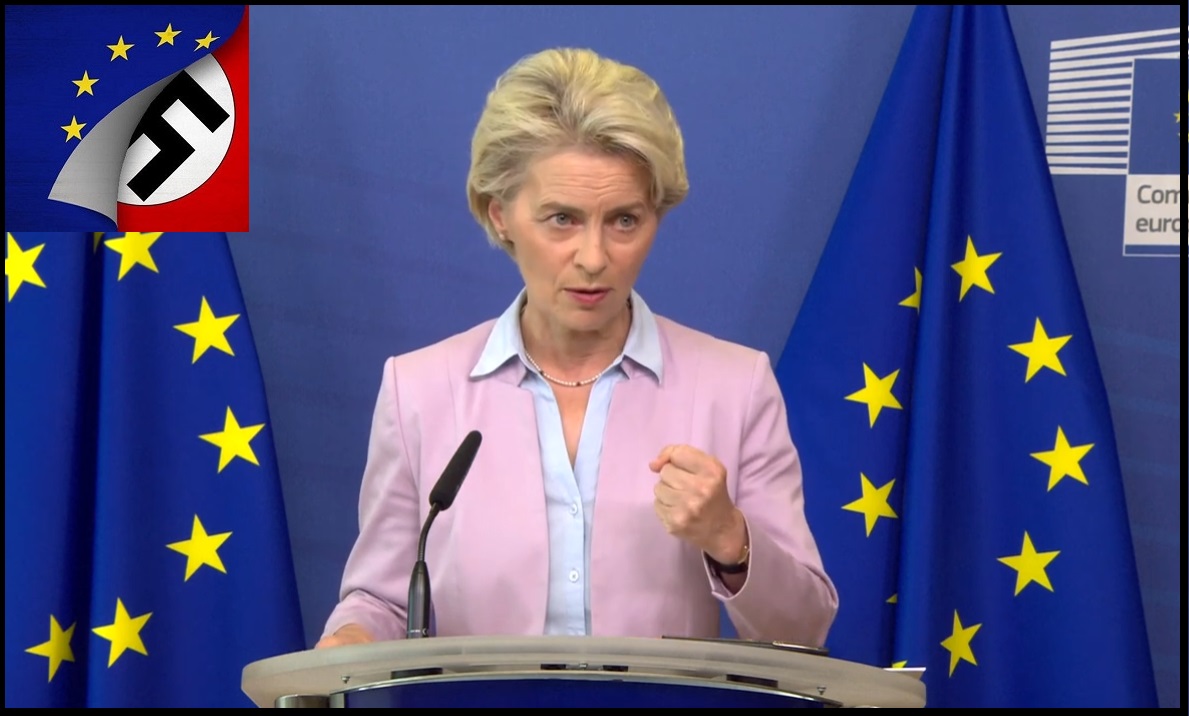 Not only are U.S. taxpayers directly paying for the majority of costs in Ukraine, but we are also subsidizing the European Union by exporting LNG and driving up the price here at home.