 Dr. Vivek H. Murthy, Vice Admiral, U.S. Public Health Service Surgeon General of the United States, is married to a woman named Dr. Alice Tu Chen. If you look into the past of the surgeon general’s wife, you will discover Alice Chen is essentially a ghost – from the perspective of: who were her parents, where is her family? The lack of early childhood, parental and familial history is a key characteristic of CCP plants in the U.S.
When the U.S. Dept of Justice recently announced they were dropping the Chinese spy initiative, a program to review how CCP officials had been working for years to seed the U.S. with Chinese operatives, indications are the DOJ motive was connected to serious internal discoveries surrounding the wife of the U.S. Surgeon General, Alice Chen. I do not say this lightly.
Unfortunately, a tangential outcome from eliminating the FBI “China Initiative’, is recognizing we now have a completely compromised U.S. Surgeon General who is a controlled mechanism for the Fourth Branch of Government to leverage. This is the background context for this story.
Amid recent revelations surrounding the purposeful use of the SARS-CoV-2 pandemic by government entities for political gains, which includes the structural control of social society vis-a-vis digital ID’s or COVID passports, The New York Times is now reporting the U.S. Surgeon General wants a list of people, groups and entities who were spreading “misinformation” about the COVID-19 vaccinations.
(NYT) President Biden’s surgeon general on Thursday formally requested that the major tech platforms submit information about the scale of Covid-19 misinformation on social networks, search engines, crowdsourced platforms, e-commerce platforms and instant messaging systems.
The surgeon general, Dr. Vivek Murthy, also demanded information from the platforms about the major sources of Covid-19 misinformation, including those that engaged in the sale of unproven Covid-19 products, services and treatments. (more)
Knowing what we know about the extent of the government activity, influence and manipulation in the vaccination process, we should likely view this story through the prism of government now managing their risk exposure. [HHS notification Here] – [Federal Register Notification Here]
(more…)
Posted in Big Government,
Big Stupid Government,
CDC,
Coronavirus,
Infectious Disease,
Joe Biden,
media bias,
Medical Tyranny,
Notorious Liars,
propaganda,
Uncategorized,
Vaccine Mandate
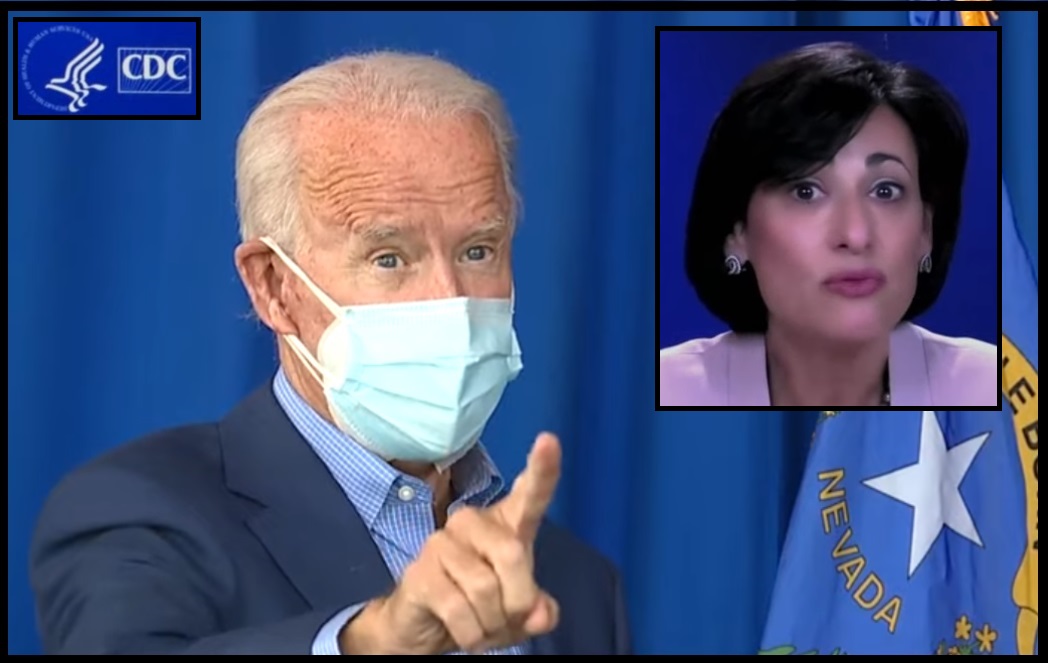 Today, the CDC has announced a semi-permanent extension of the federal transportation mask mandate with no expiration date noted. [
 Just in time for the Pennsylvania primary election (May 17th), Philadelphia returns to a mandatory mask mandate. According to
 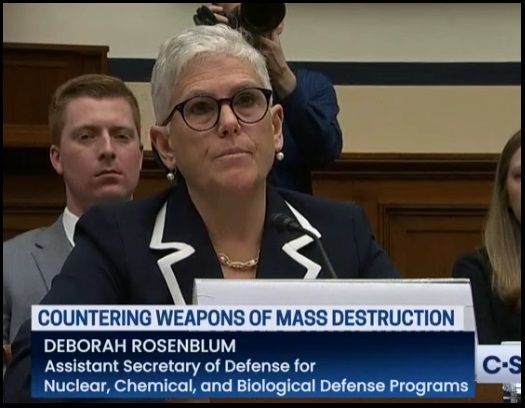 In the most recent example, Deborah Rosenbaum, the assistant secretary of defense for nuclear, chemical, and biological defense programs, told the House subcommittee on Intelligence and Special Operations
 Step right up comrades and get em’ fast, while there’s still time before Big Pharma first quarter financial statements are closed.
 Dr. Andrew Hill, MD, is a senior visiting Research Fellow in the Pharmacology Department at Liverpool University.