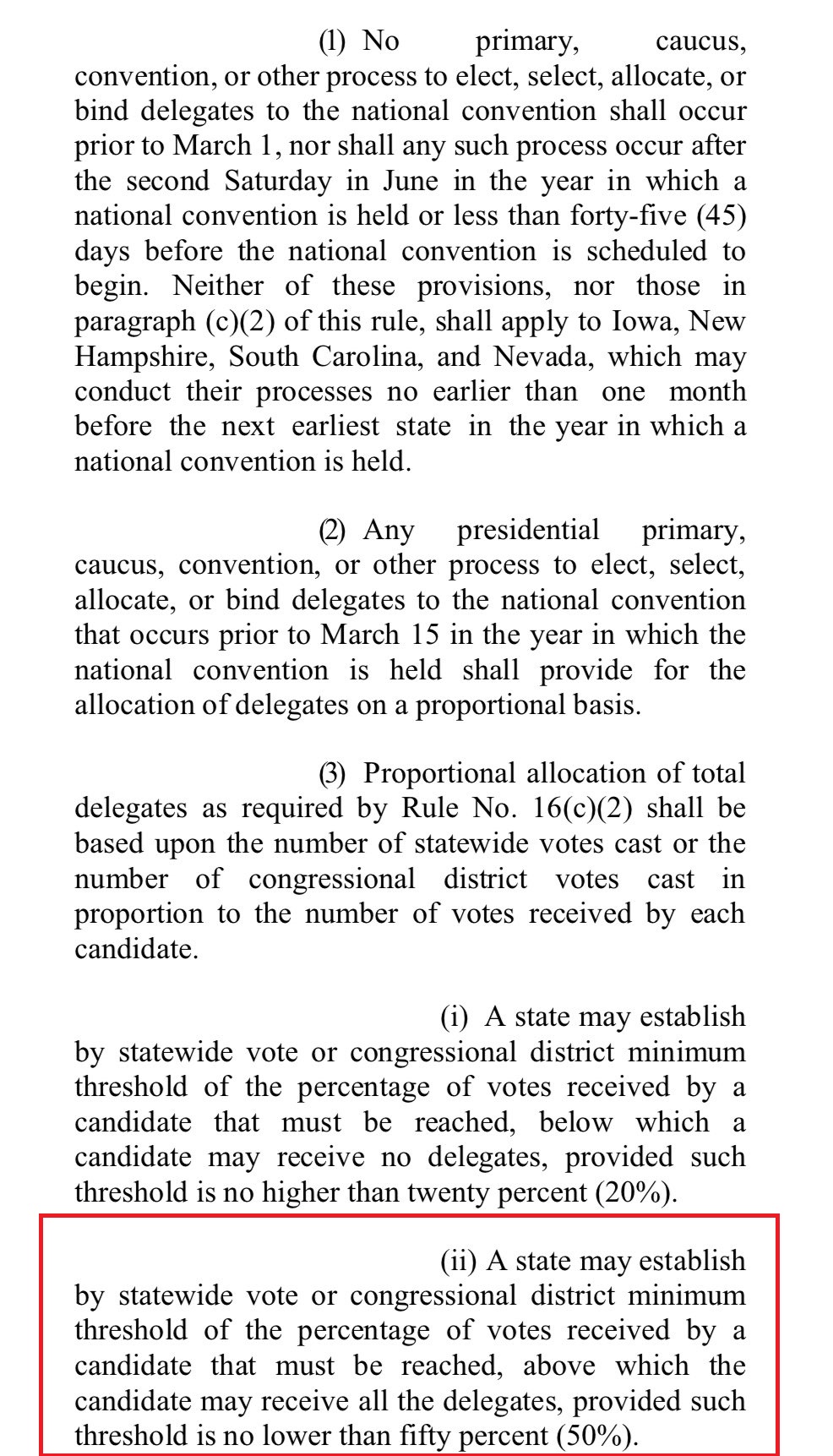
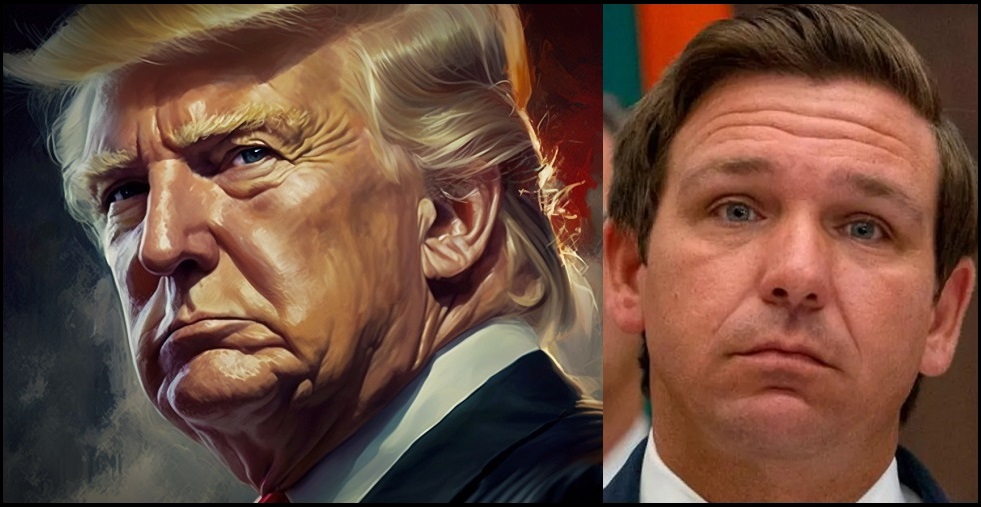
I will be as generous in explanation as brutal honesty permits. This is hopefully the last I will write about the internecine network of California GOPe manipulative politics and the latest episode of republican fraud within in.
Fibber Mike Davis (below left) gave an interview {Rumble Segment Here} which now provides some clarity on his character and the issues of his defense of Harmeet Dhillon (below right), in an effort to protect her from the outcome of Dhillon’s own creation. Within the interview Davis notes that in addition to her RNC and California GOP professional relationships, Dhillon also represents the Trump campaign as a lawyer.
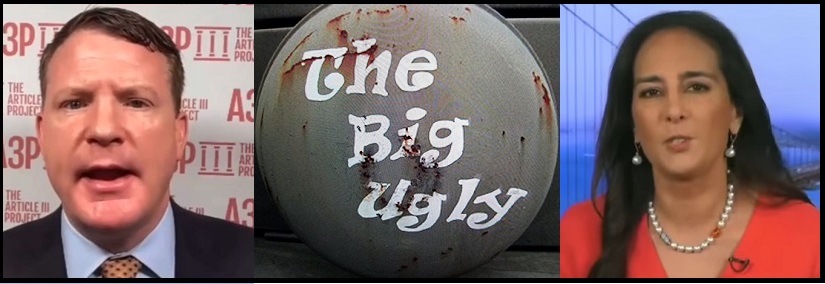
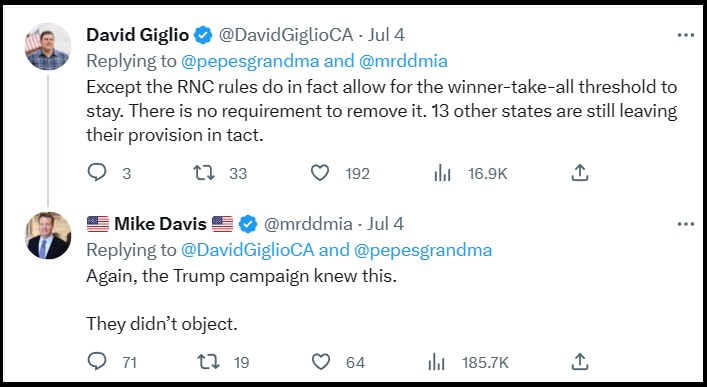
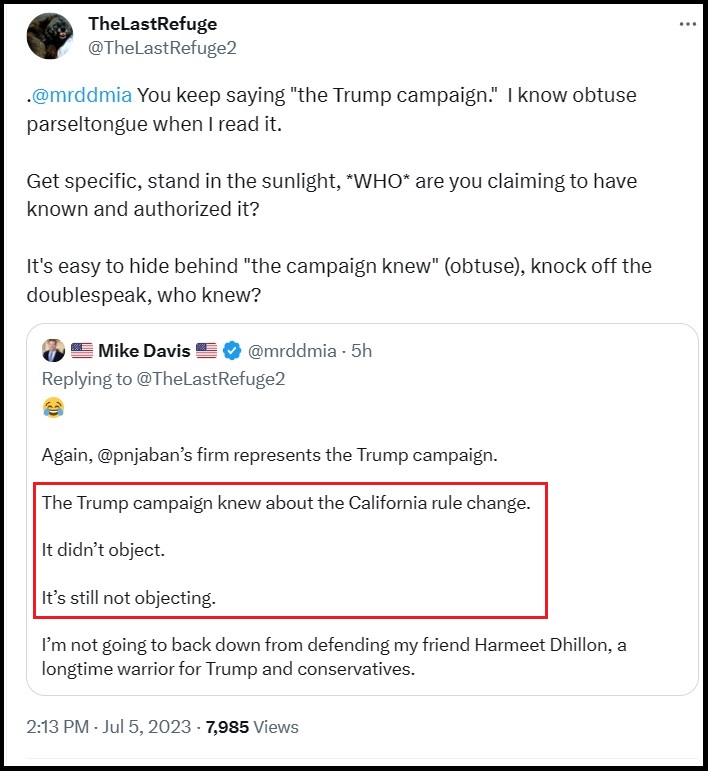
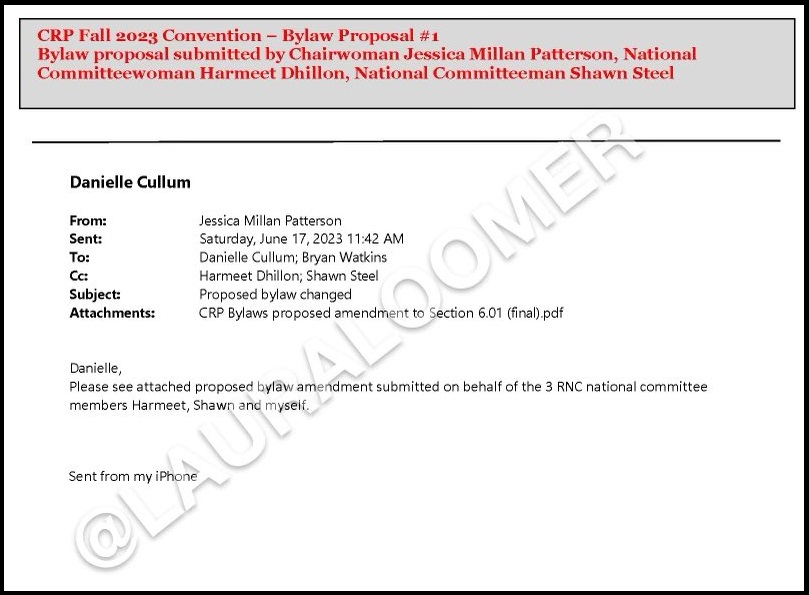
Within the interview we discover who and why Davis was protecting when he made claims about the Trump campaign seemingly being okay with a California GOP scheme to allocate proportional delegates to Ron DeSantis. In essence, the “Trump campaign official” who didn’t raise objections to the CA rule change, the one Mike Davis was protecting from scrutiny, was actually Harmeet Dhillon herself. The same Harmeet who signed off on the 6/17/23 email proposal, then reversed after sunlight.
Mr. Davis also admits he and Mrs. Dhillon have a professional working relationship with the Article III Project organization that forms the basis of Mr. Davis’ affluence and influence. Davis and Dhillon swim in, and benefit from, the same financial ocean. Here’s the result:
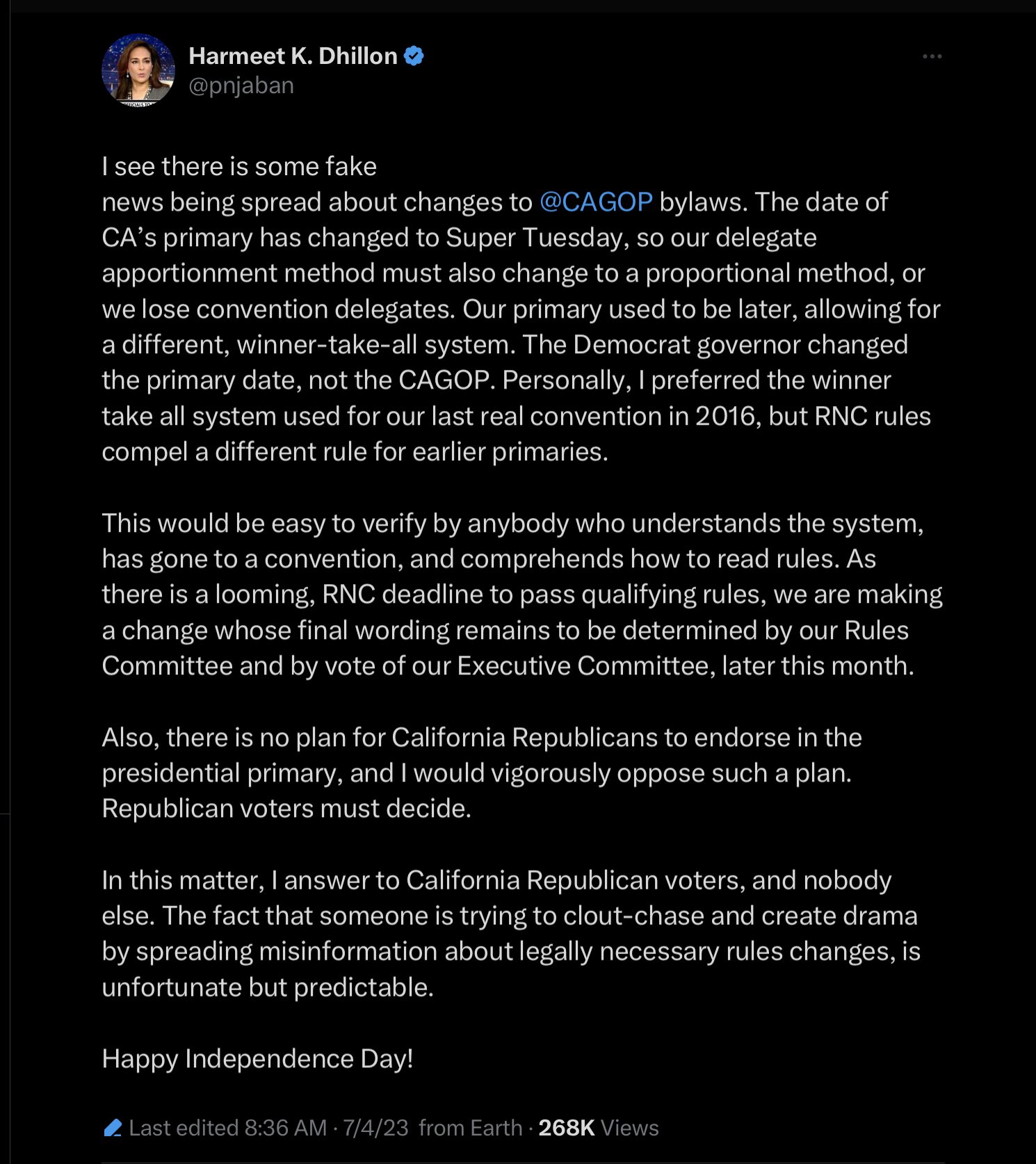
Within Harmeet Dhillon’s lengthy explanation of her backtracking [SEE HERE], in the second segment {SEE HERE} she uses carefully constructed lawyer speak to highlight that she was duped by the other two California GOP officials, Jessica Patterson and Shawn Steel. Mrs. Dhillon will not and cannot say she was lied to, for two reasons.
Mrs. Dhillon carefully says, “I was told by the state party” and “I accepted these representations” in the customary way a lawyer would obfuscate their choice not to say I was lied to. Indeed, against the inaccuracy of the original justifications by Dhillon, and if we are to take Mrs. Dhillon at her word, she says in her reversal of position that she was misled and mistaken in her opinion by materially false representations of Jessica Patterson and Shawn Steel.
Unfortunately, Harmeet Dhillon cannot be more deliberate in her statement because she has a professional role to maintain, and the admission that she was duped is against her brand image.