This is sickening to read, and perhaps even more sickening to accept. CTH has long outlined the belief that Bill Barr was the Bondo application to cover the DOJ and FBI institutional rot, and John Durham was the ongoing spray paint application.
The bottom line is an ongoing DC operation to preserve the institutional credibility of the justice system. A credibility, which is – at this point, entirely destroyed – yet the effort continues.
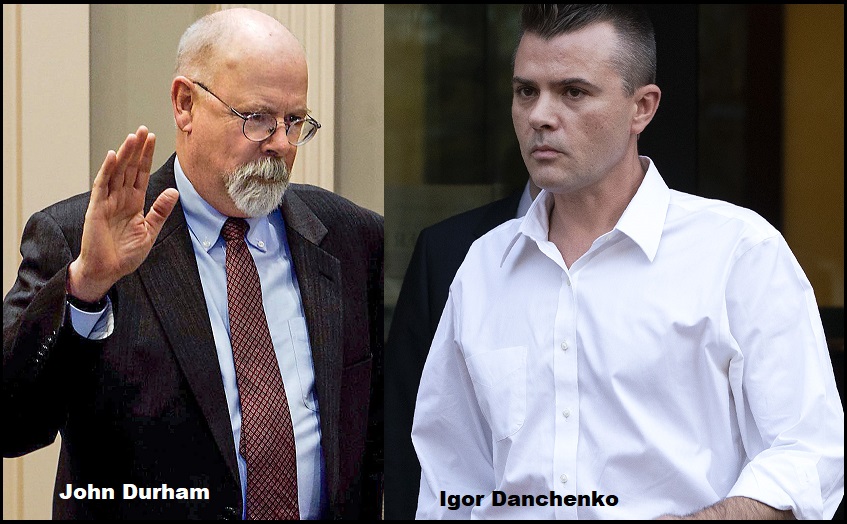
In a court motion today [pdf HERE], special prosecutor John Durham outlines the case against Christopher Steele’s primary source, Igor Danchenko. For more granular information about the filing itself, visit Techno Fog [review article HERE].
The basic legal case brought by Durham is predicated on the notion that Christopher Steele’s source for his dossier, Igor Danchenko, willfully and intentionally lied to the FBI, and therefore Danchenko is guilty of purposefully misleading FBI investigators assigned to the Trump-Russia/”crossfire hurricane” investigation.
This is where we must stop pretending. The Durham premise of a “duped FBI” is laughable on its face. No one in the FBI or DOJ-NSD was “duped” by false information from Igor Danchenko.
The lies, as they were with Clinton lawyer Michael Sussman, were well known to be false, yet materially beneficial to the unspoken intention of the DOJ/FBI, which was to target Donald Trump. The corrupt intent of the DOJ and FBI is the basic rot John Durham was appointed to cover over.
John Durham is running a Deep State cover operation to protect the institutions of the DOJ and FBI from evidence of their prior activity. The bulls**t of pretending this is not his motive is, well, quite simply nonsense and needs to stop. Look at today’s filing itself, overlay the timeline and you can see the corrupt intention of the FBI and John Durham’s clear objective is to cover for them.
The big picture takeaway is right there on the second page. Pay attention to the dates.
(more…)
Posted in Abusive Cops,
Big Government,
Big Stupid Government,
Cold Anger,
Conspiracy ?,
Decepticons,
Deep State,
Dept Of Justice,
Donald Trump,
FBI,
Fourth Branch of Govt,
Joe Biden,
Lawfare,
media bias,
Notorious Liars,
President Trump,
propaganda
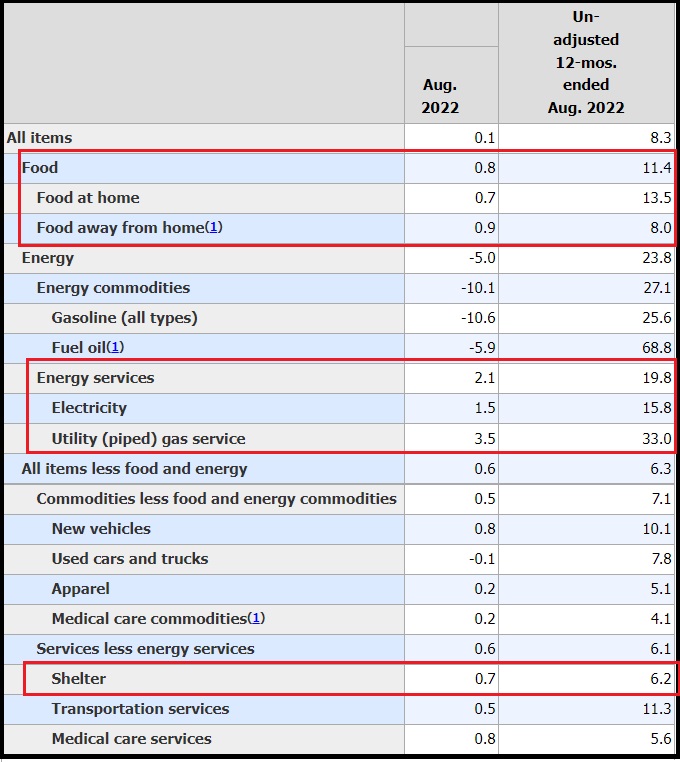 The Bureau of Labor and Statistics (BLS) has released the August inflation data today [
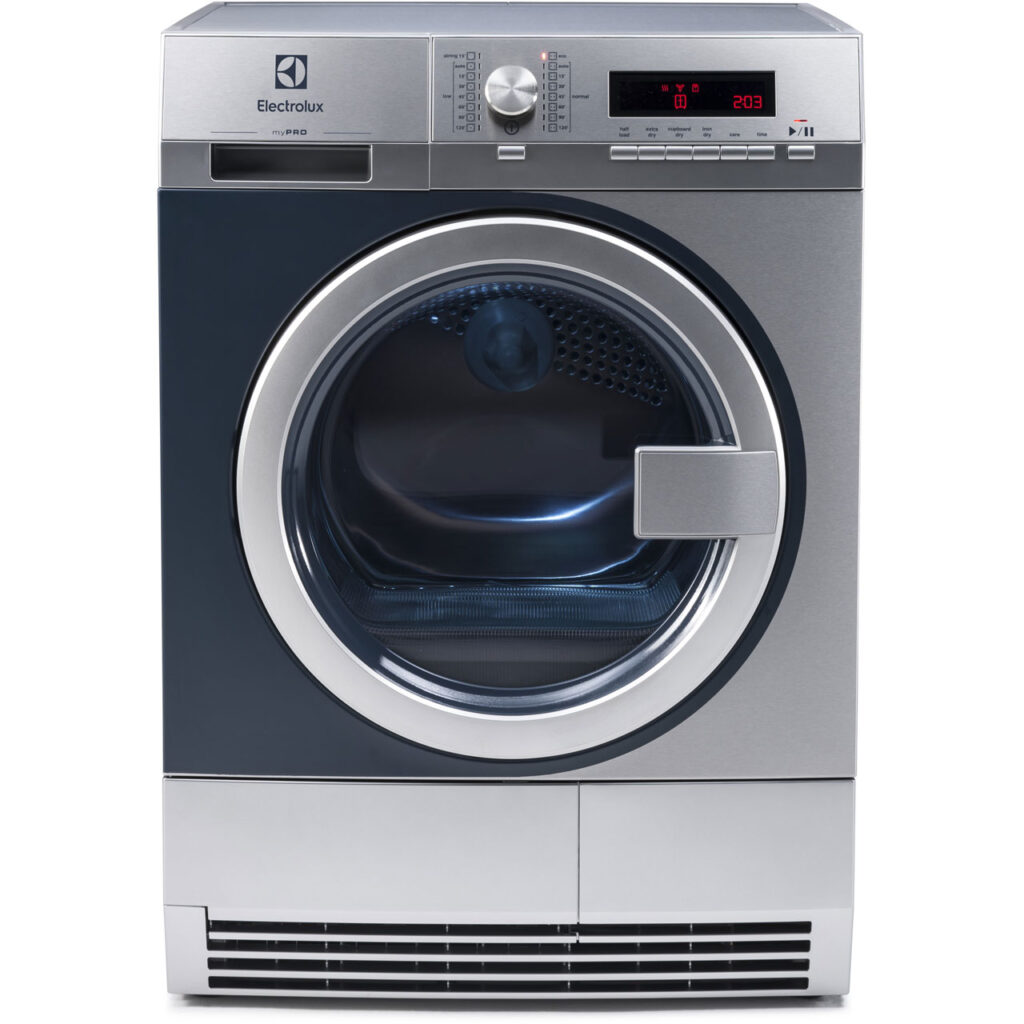 Today the world’s second largest appliance manufacturer, Electrolux, announced a collapse of corporate earnings -the result of the western alliance economic contraction- leading to major cost cutting and future incentive programs. [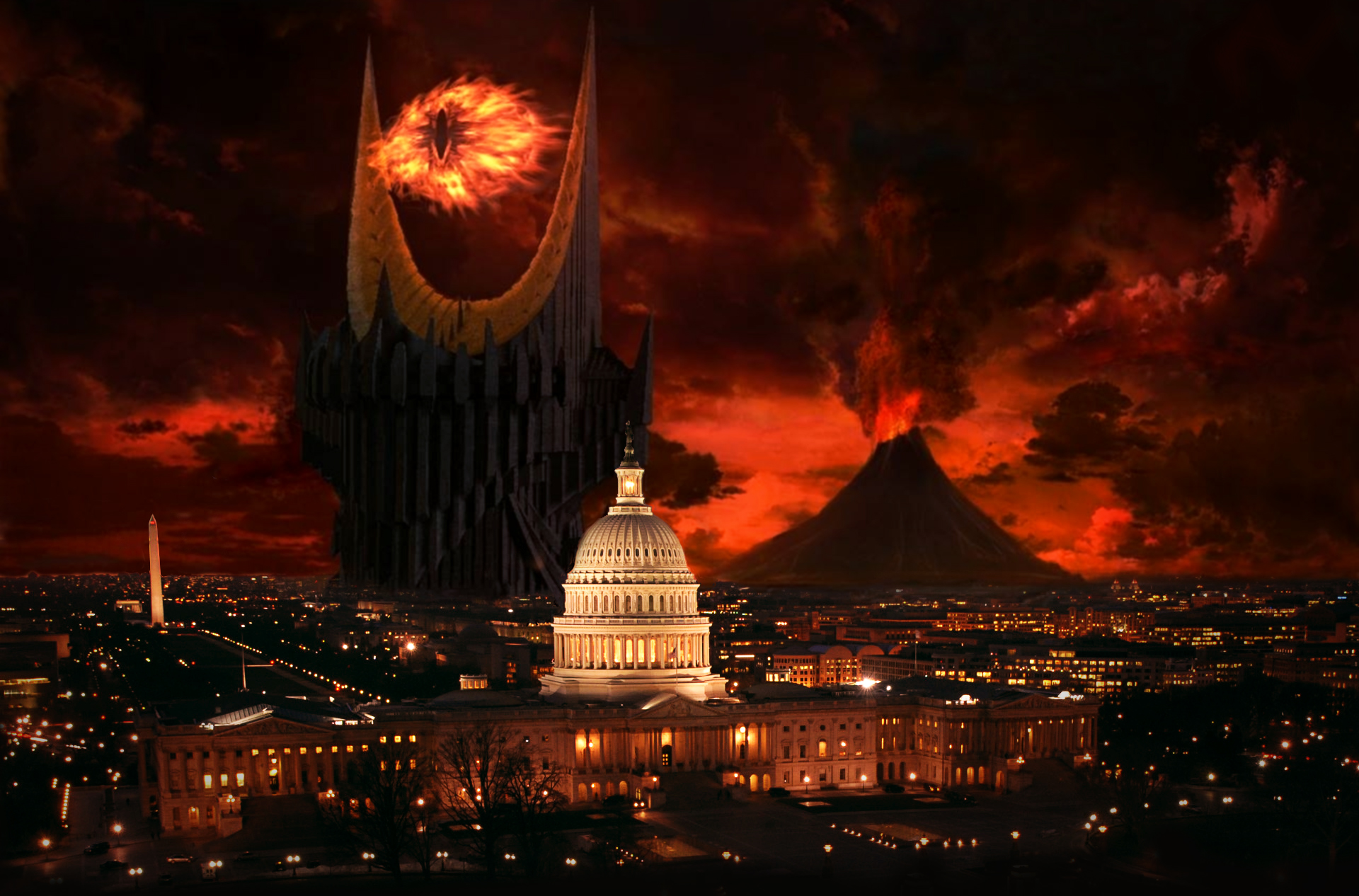
 No commentary is needed [