In the aftermath of the late summer 2017 Page/Strzok cell phone text messages, which started to identify the DOJ and FBI targeting operation against Donald Trump, the DOJ Office of the Inspector General (OIG) decided he better look at the communications inside the rest of the Mueller-Weissmann team. Early in 2018 IG Horowitz asked for all of the special counsel cell phones.
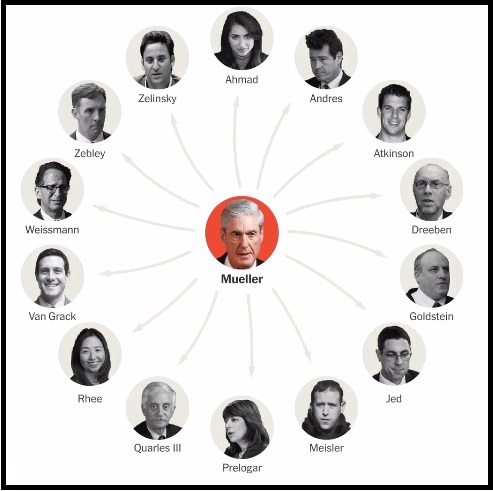 Andrew Weissmann knew there would be trouble, the special counsel operation was at a critical juncture {GO DEEP} so he instructed the team to wipe them clean, quickly.
Eventually records were released in 2020 [SEE HERE] showing how the Weissmann/Mueller special counsel team “accidentally” wiped 15 iPhones of all data early in 2018 after the phones were requested by the OIG office for review.
Mueller’s lead investigator Andrew Weissmann said he “accidentally” wiped two phones himself; through a lengthy process of entering the wrong passcode several times over a period of three hours; removing data to show his activity during the special counsel.
Weissmann claimed to have entered the wrong password (takes ten attempts) and that erased all the data. Greg Andre, a former deputy assistant attorney general in the Justice Department’s criminal division, made the same claim.
Wiping your phone to hide damaging information only works if the other phone you are communicating with wipes the same data. Guess what happened? Yup, exactly that, all of the cell phones connected to the key participants in the Muller operation deleted their phone content rendering a review impossible.
James Quarles III, who worked with Mueller in private practice at the Washington office of Wilmer-Hale, claimed his iPhone magically erased itself.
(more…)
Posted in Big Government,
Big Stupid Government,
Clinton(s),
Conspiracy ?,
Deep State,
Dept Of Justice,
Donald Trump,
Election 2016,
FBI,
Lawfare,
media bias,
Notorious Liars,
Professional Idiots,
propaganda,
Spygate,
Spying,
THE BIG UGLY,
Uncategorized,
White House Coverup
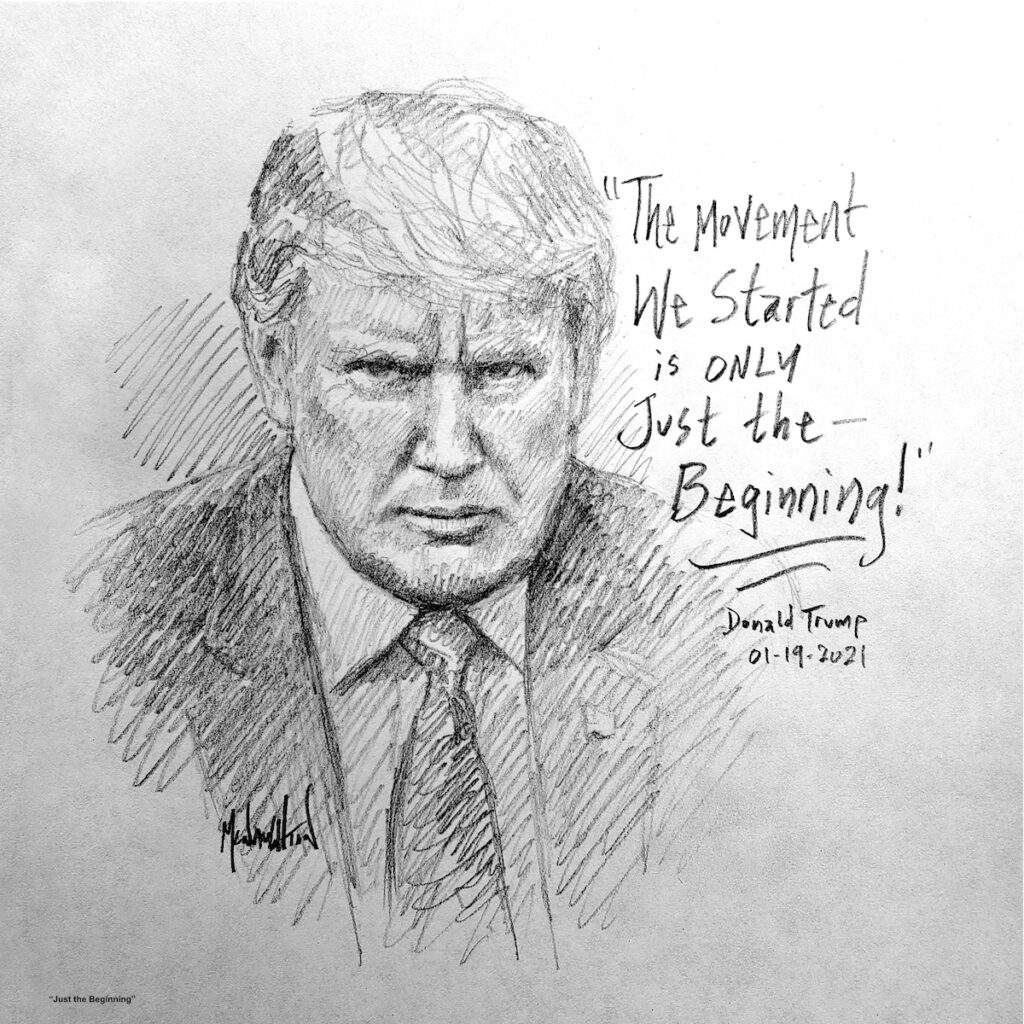 “This is no small thing, to restore a republic after it has fallen into corruption. I have studied history for years and I cannot recall it ever happening. It may be that our task is impossible. Yet, if we do not try then how will we know it can’t be done? And if we do not try, it most certainly won’t be done. The Founders’ Republic, and the larger war for western civilization, will be lost.”
 Our Father, who art in heaven, hallowed be thy Name. Thy kingdom come. THY WILL BE DONE, on earth as it is in heaven. Give us this day our daily bread. And forgive us our trespasses, as we forgive those who trespass against us. And lead us not into temptation, but DELIVER US FROM EVIL.
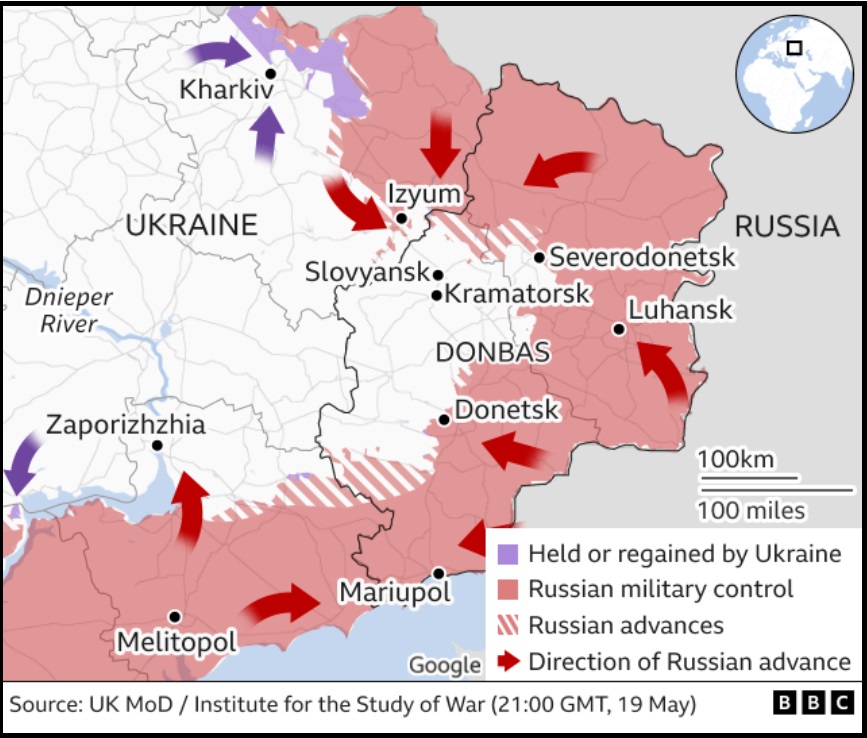 Both sources of information are starting to position Eastern Ukraine as a lost cause, with the Washington Post giving specific examples of conscripted Ukraine fighters who are abandoning the effort in the donbas region. As noted, “after three months of war, this company of 120 men is down to 54 because of deaths, injuries and desertions. The volunteers were civilians before Russia invaded on Feb. 24, and they never expected to be dispatched to one of the most dangerous front lines in eastern Ukraine.”