This article is intended toward a specific set of interests.
 ♦First, the larger media apparatus needs to comprehend the scale of the current situation.
♦Second, the medical establishment need to come to grips with the situation they pretend doesn’t exist.
♦Lastly, to the alternative media forums writ large, with my challenge to you to open up every format you control, ask simple questions and then just shut up and listen to readers and viewers.
I can well imagine a Rush Limbaugh show (the man had instincts) that would last for a week where he just lets listeners explain why they did not take the COVID-19 vaccine. Tens of millions of unregulated and unthrottled voices tuned-in to listen and nod their affirming heads. God, we miss Rush.
What is overwhelmingly clear right now [SEE BACKGROUND] is the need to have an honest national conversation about the entire dynamic that surrounded the COVID-19 vaccination push. Indeed, if anyone in the media, government or medical system are wondering why only one-in-five people are taking the current COVID-19 booster shots, then just READ HERE.
One aspect, now brutally obvious and anger inducing, is connected to the Twitter File revelations about how various government interests and the medical establishment were intentionally censoring anyone who questioned the early vaccine narrative.
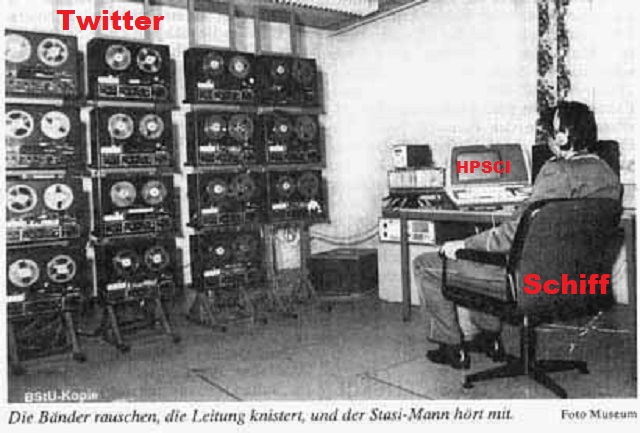
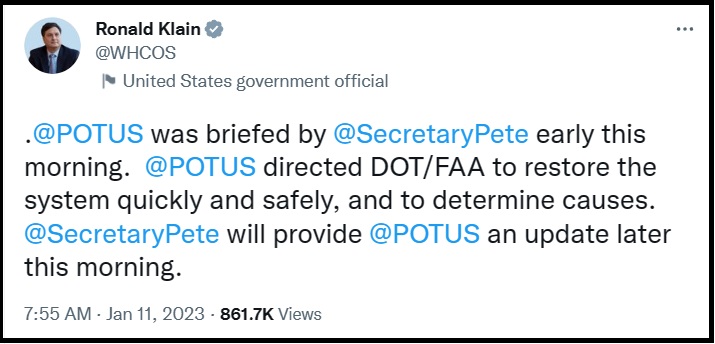
 As a direct result of the concerns expressed within a New York Times article, it’s abundantly clear the FBI and DOJ-NSD are worried about the new House Subcommittee on Federal Weaponization of Government. Specifically, the concern of the DOJ/FBI is the potential for the committee to start looking behind the curtain at the activity and intents of the special counsel operation.
 For the past two years I can only encapsulate the entire social, political and socioeconomic dynamic that surrounds us by saying we are living in an era of great pretending. Why? Because nothing else adequately explains it.