During his press conference from Saudi Arabia, the installed occupant of the White House was asked about the possibility that congress will not pass the $500 billion spending proposal to continue the radical transformation of the American energy sector. [Transcript]
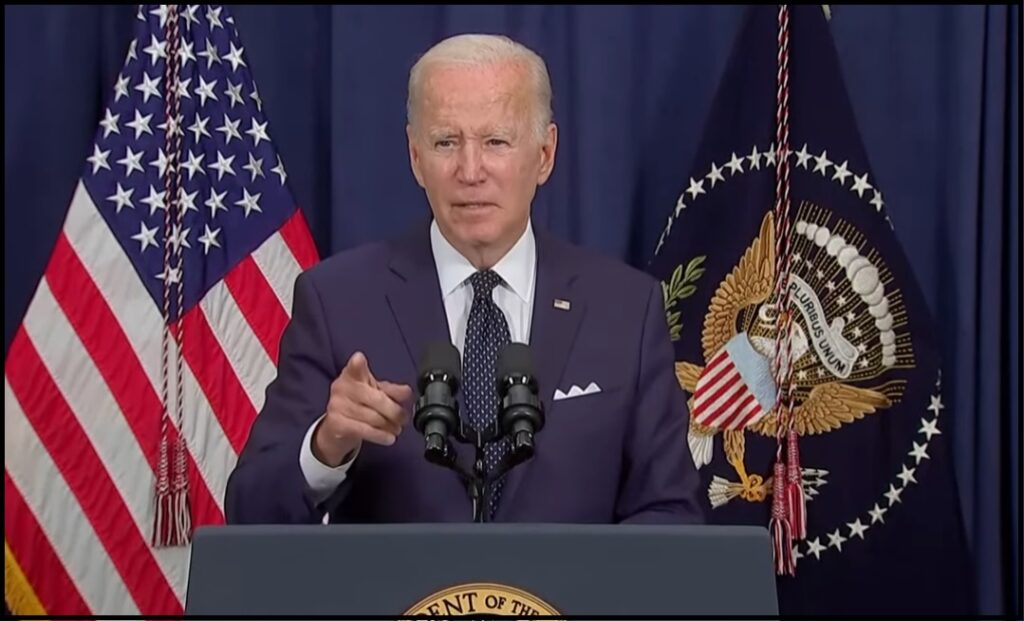
Q On the issue of climate, Joe Manchin obviously made significant news right now, which appears to be torpedoing what was one of your biggest priorities as it relates to energy and to climate back at home. Your message to those Americans right now who are looking for that relief that would have a wide impact as it affects the climate and energy specifically?
Joe Biden: “I am not going away. I’m going to use every power I have as President to continue to fulfill my pledge to move toward dealing with global warming.” Thank you very much.” [link]
Put another way, “you will eventually eat the bugs.”
As previously noted, regardless of how much chaos, crisis and hardship they create, the collective western government leaders are not going to stop pushing their Build Back Better climate change agenda. These are committed ideologues. They are united in their objective and not a single politician is willing to see the catastrophic damage they are creating.
 If you think carefully about it, it’s a classic Manchin head-fake. The July and August inflation numbers, to be released in August and September respectively, are almost guaranteed to be lower than June.
 These two stories seem connected.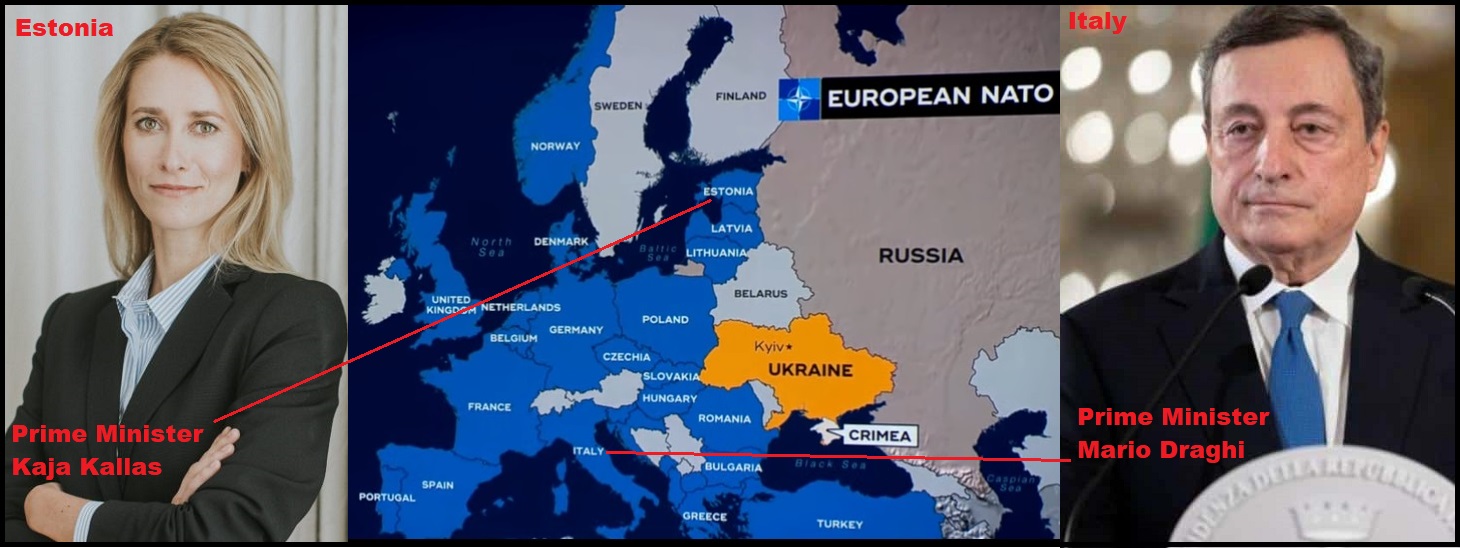

 (
(