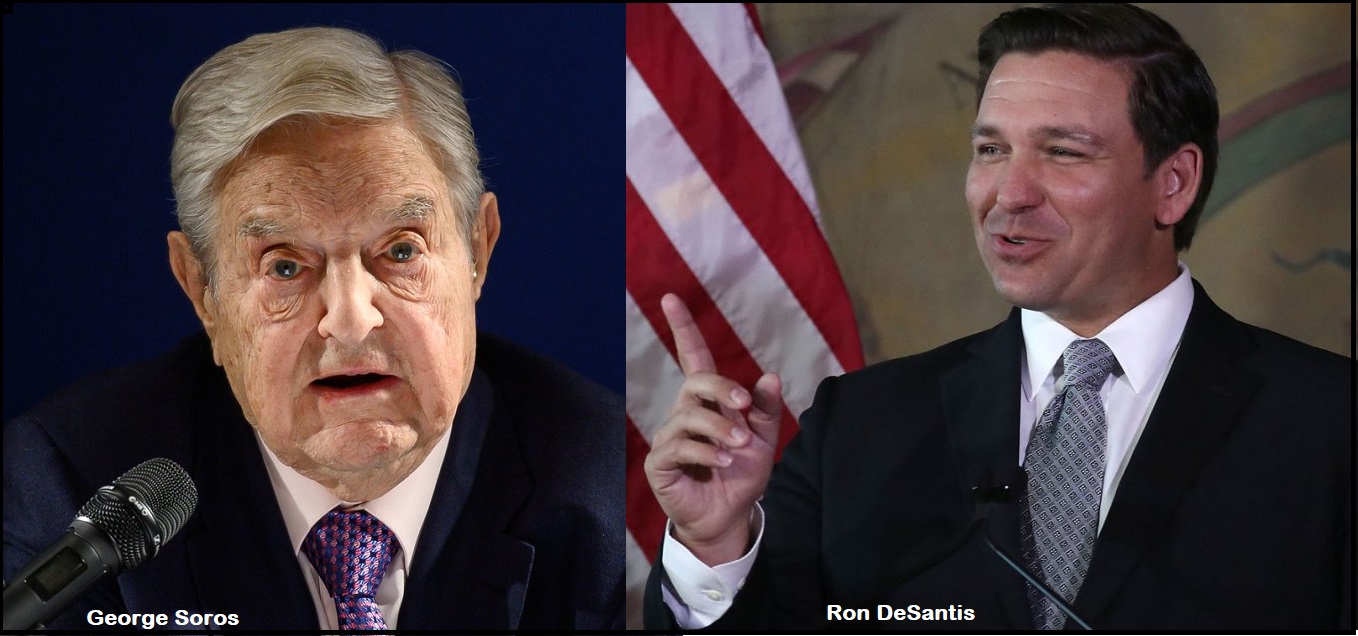
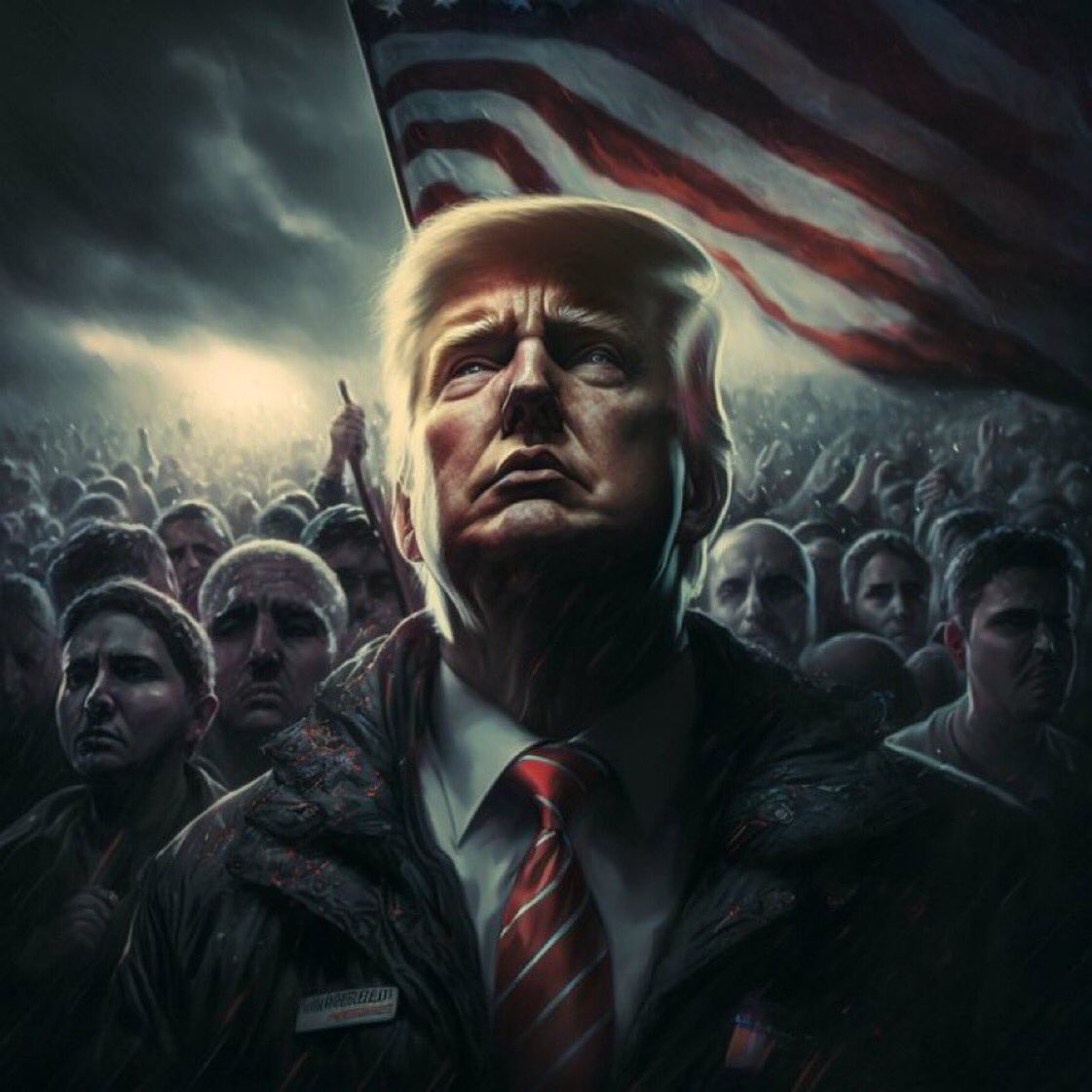
Prior to the 2012 election and the rise of the Sandra Fluke free birth control narrative, we used to call them social issues; however, the usefulness of cultural wars has morphed into the larger war of wokeism.
 In the big picture, keeping the base GOPe voter distracted from the economic expansion of multinational globalism, the corporate ‘masters of the universe’ (ie. the Big Club), need to keep pushing anti-wokeism as a political strategy. The cultural issues are useful tools to keep control of an alignment of voters. It has always been thus, and even more important now that people are starting to realize the expansion of the rust belt.
The rust belt, the diminishment of the U.S. economic manufacturing base, was an outcome of corporate control over politics. Corporations and banks seek profit, those profits are inflated by a U.S. service driven economic model. Skilled jobs require higher wages.
If the skilled jobs can be outsourced to lower cost labor nations, the subsequent lowered labor costs drive bigger margins. Again, it has always been thus.
At the core of the U.S. political issue, you discover that both wings of the DC UniParty agree with this basic economic model. Republicans and Democrats now use the catchphrase ‘service driven economy‘ with bipartisan frequency. Many voters no longer have any reference to an economic system that is anything except a ‘service driven economy’, yet nothing about that system provides long-term value for U.S. voters or workers.
Within this very specific dynamic, you find the root of the support for Donald J. Trump. A larger, formerly considered silent majority who comprise the baseline middle class workforce, find common understanding with President Trump because he sees the flaws in the economic model.
Not coincidentally, it is only Donald Trump who has ever discussed these economic issues. Factually, no national politician in the modern era prior to Donald Trump ever dared broach the subject of economic globalism, and the negative consequences therein, because they would find themselves in the target field of the corporations who fund the political system. A general platform more akin to a code of omerta covered the entire subject of republican economic policy.
(more…)
Posted in Big Government,
Big Stupid Government,
Christian Values,
Cold Anger,
Cultural Marxism,
Culture,
Donald Trump,
Economy,
Election 2024,
Joe Biden,
media bias,
Notorious Liars,
President Trump,
propaganda,
RNC,
Ron DeSantis,
Uncategorized