There are very few things in this world that can leave me almost speechless. This is one of them.
Dropping all pretense of their hidden ideology, Reuters is reporting exclusively that Facebook and Instagram have modified their terms and conditions to permit advocacy and support for the Nazi party in Ukraine (Azov Regiment), and they have modified their violence terms to allow platform users to advocate for death to Russians.
I don’t quite know where to begin. However, this report from Reuters does actually make sense based on some pictures that were floating around a few days ago. The pictures show U.S. military “advisors” training Ukrainian neo-Nazi’s in the Azov regiment how to use FGM-148 javelin missiles.
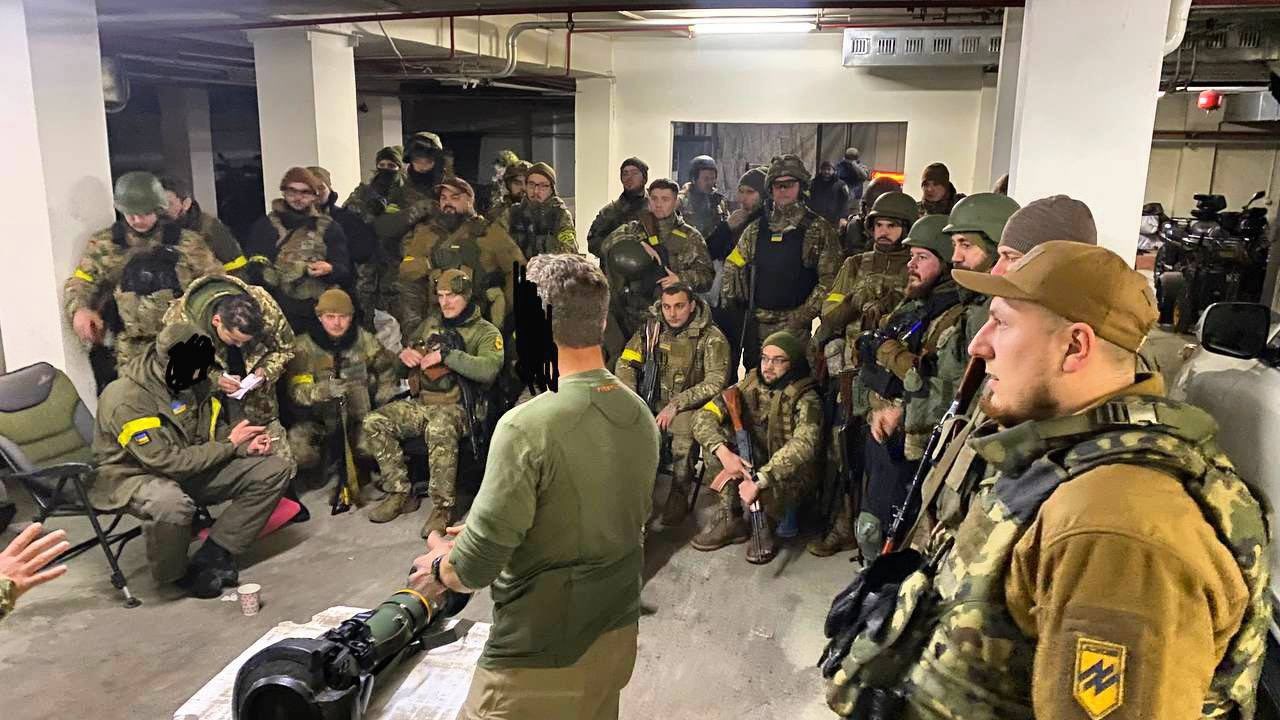
It would be odd if Big Tech were generically against all Nazi’s, while U.S. military advisors are in Ukraine training specific Azov Regiment Nazi’s to fight Russians. The Javelin missile system, pictured above, is what Ukraine is using to defeat Russian tanks and armored vehicles. The U.S. is sending the Ukraine military thousands of them. Apparently arming and training Nazis is okay right now.
The Reuter’s article notes: “Emails also showed that Meta would allow praise of the right-wing Azov battalion, which is normally prohibited, in a change first reported by The Intercept. Meta spokesman Joe Osborne previously said the company was “for the time being, making a narrow exception for praise of the Azov Regiment strictly in the context of defending Ukraine, or in their role as part of the Ukraine National Guard.” (link)

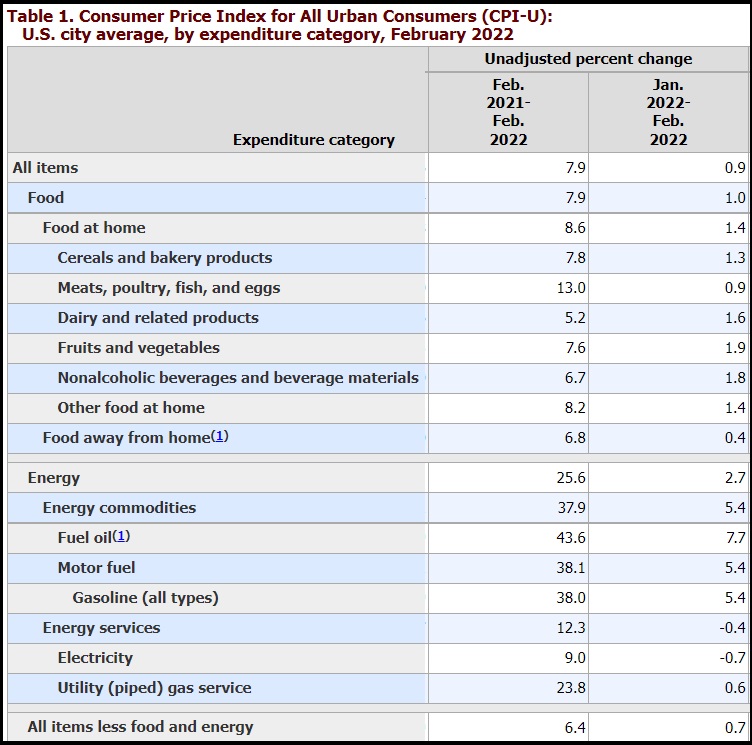 First, the capture of the current February data was BEFORE the Russia-Ukraine crisis came into play. Despite the White House attempting to justify the release data today by blaming it on Russia-Ukraine influence on oil and gas prices, the data itself was assembled before the recent spikes in oil and gasoline. This is an important distinction, because that means what is coming next is even higher.


 What we have talked about prudently on these pages is now coming into greater focus, as global leaders are beginning to prepare their own citizens for the long-term consequences of their disruption to the food supply chain.