It is very well known by now that FBI agents worked within social media networks like Facebook, Twitter and Instagram through direct portals connecting the government to the backdoors of the networks. The Dept of Homeland Security (DHS) continue to operate in partnership with various tech systems and platforms to monitor content.
 During a deposition this week the FBI admitted to giving instructions to tech companies like Google, Apple and Microsoft to block URLs without a basis in legality. Essentially the ideology of the FBI and DHS determines the targets of the content removal, blockage and/or censoring.
To repeat, these are not FBI and DHS instructions based on defined criminal activity, these are government instructions based on disagreements over ‘information’ as espoused by the content provider.
Information the government agrees with is safe; however, information the U.S. government doesn’t agree with is targeted. Obviously, a person of reasonable intelligence can see the problem with allowing law enforcement to determine which information is valid and which information is invalid.
(Fox News) – On Tuesday, lawyers from the offices of Attorneys General Eric Schmitt of Missouri and Jeff Landry of Louisiana deposed FBI Supervisory Special Agent Elvis Chan as part of their lawsuit against the Biden administration. That suit accuses high-ranking government officials of working with giant social media companies “under the guise of combating misinformation” to achieve greater censorship.

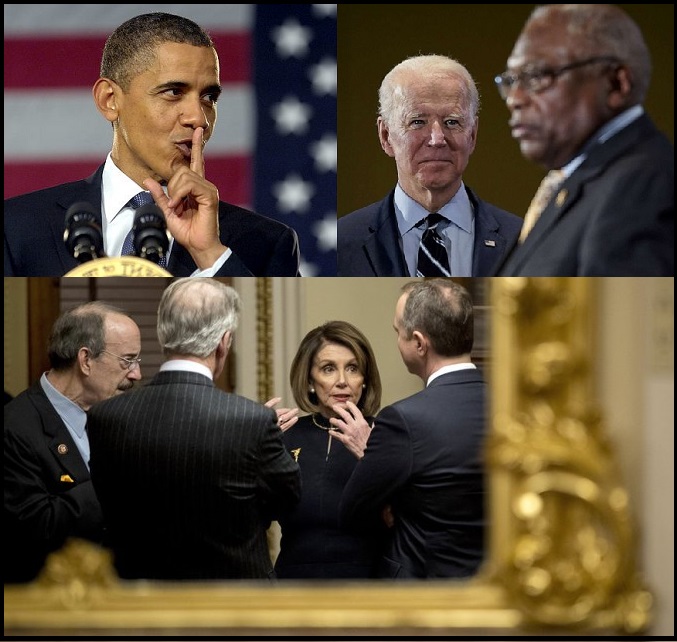 Once you understand what took place in the 2020 Democrat primary that saw all candidates fall in line behind Biden, according to the process that Obama initiated, then everything centered around the DNC moves today makes buckets of sense.
 CTH has been outlining the supply side inflation issue in the highly consumable goods sector, specifically the foods sector, for almost two years now. Mainstream and financial pundits have denied its existence.
 There were declines in jobs within the retail sector [-30,000 in Nov, -62,000 since August] and declines in warehousing and transportation [-15, 000 in November, -30,000 since July], which would indicate the outcome of lowered consumer spending on goods, or at least a change in consumer spending priorities.


 West Virginia had been the tip of the spear since early 2021 {