The New York Times has gained insider information on the current advertising revenue for the social media platform Twitter. [Article Here] Ignoring the nonsense narrative engineering and just focusing on the data itself, the revenue side for Twitter is half what we previously estimated. This makes the overlay for decisions on platform content even more stark.
 According to the data, ad revenue for the month of April was a lackluster $88 million. That’s a pace of just over $1 billion a year. With a pre-Musk operating expense of $4.5 billion, and pre-Musk revenue at $4 billion cited by the Twitter owner as the backdrop, here’s the outlook.
Assuming post Musk labor cost reductions saved $500 million, a decline in revenue to $1 billion/yr would be a $3.0 billion deficit, to wit you would need to add the $1.5 billion in debt service as part of the investor buyout structure.
That puts Twitter into a $4.5 billion loss ballpark per year.
This is the high end of what Musk previously estimated in public statements. Now we see why.
(New York Times) – Twitter’s U.S. advertising revenue for the five weeks from April 1 to the first week of May was $88 million, down 59 percent from a year earlier, according to an internal presentation obtained by The New York Times. (read more)
$1 billion per year in advertising revenue is a whopping 75% loss from the claimed $4 billion in revenue before the Musk purchase. Perhaps the Fidelity estimate of company value at $15 billion is closer to reality.
If the value of Twitter has dropped to the $15 billion level, that means almost all of the $30 billion in personal equity Musk put into the company has been lost.
Current investor debt is $12.5 billion, with $1.5 billion in debt service/yr. A valuation of $15 billion would only leave Musk with around $2.5 billion in equity position. If the valuation is accurate, Musk personally would have lost around $27.5 billion in this Twitter platform purchase.
(more…)
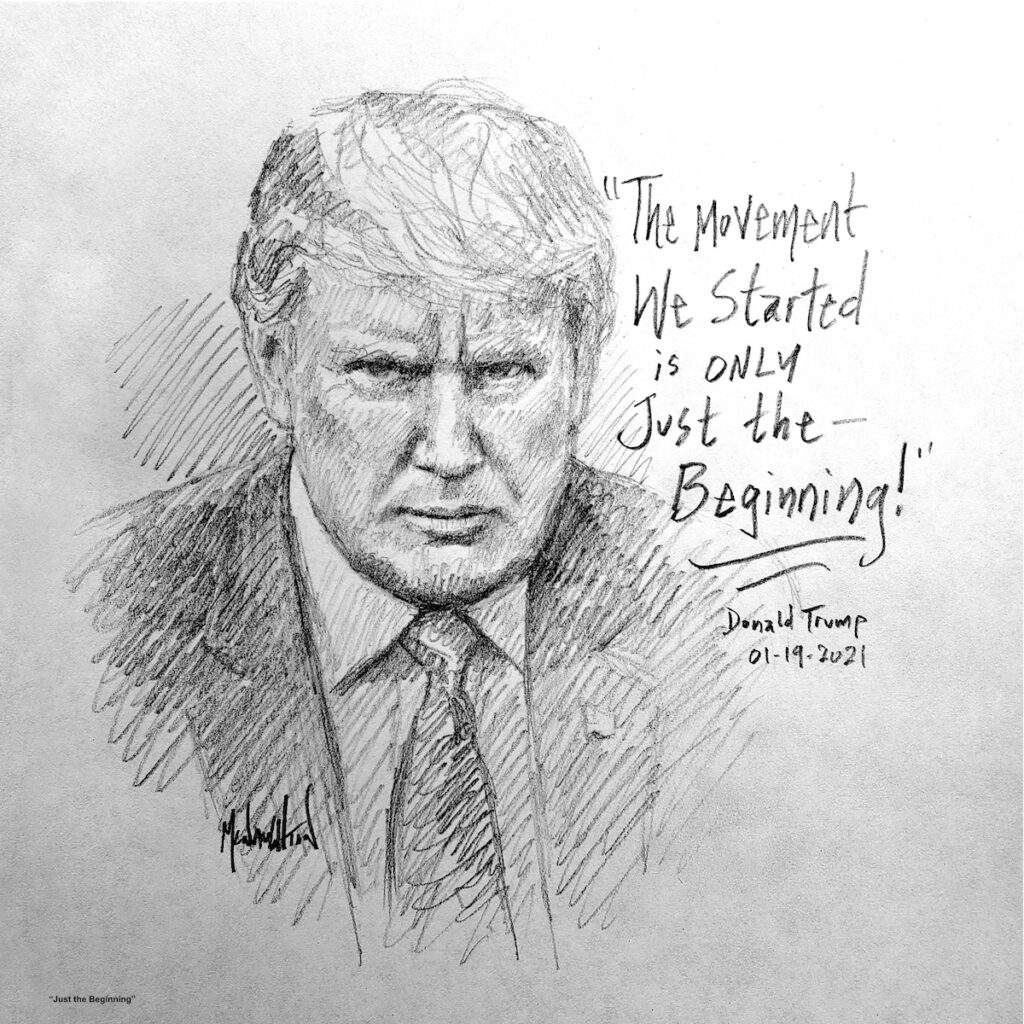 “This is no small thing, to restore a republic after it has fallen into corruption. I have studied history for years and I cannot recall it ever happening. It may be that our task is impossible. Yet, if we do not try then how will we know it can’t be done? And if we do not try, it most certainly won’t be done. The Founders’ Republic, and the larger war for western civilization, will be lost.”