You might ask, why is the Dept of Homeland Security (DHS) in the business of conducting widescale surveillance, monitoring and tracking of American citizens.
Unfortunately, if you are asking that question, then you likely don’t know the first, fourth and fifth amendment to the U.S. constitution were usurped by the 2001 Patriot Act.
George W Bush and Dick Cheney created the domestic surveillance system under the auspices of DHS and the Office of the Director of National Intelligence. Barack Obama and Joe Biden then took that DHS surveillance system and modified the dials (Justice Dept., FBI) so the surveillance only applied to their ideological enemies.
If you have followed my outlines on this issue [Category Here], you will note exactly where this latest development falls on the continuum. The 2024 election is right around the corner. Previously I stated the artificial intelligence (AI) component to the internet surveilllance system was going to launch toward the end of this year. Well, DHS has just announced exactly that [SEE HERE].
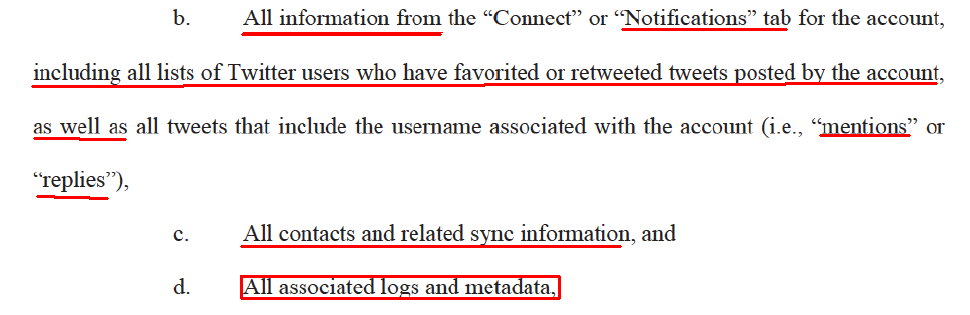
I find it very interesting the DHS memo was issued on August 8th, but only published for the general public yesterday. July and August were when I first identified AI spider crawls were already underway. Pay very, very close attention to the two underlined words in the following paragraph:
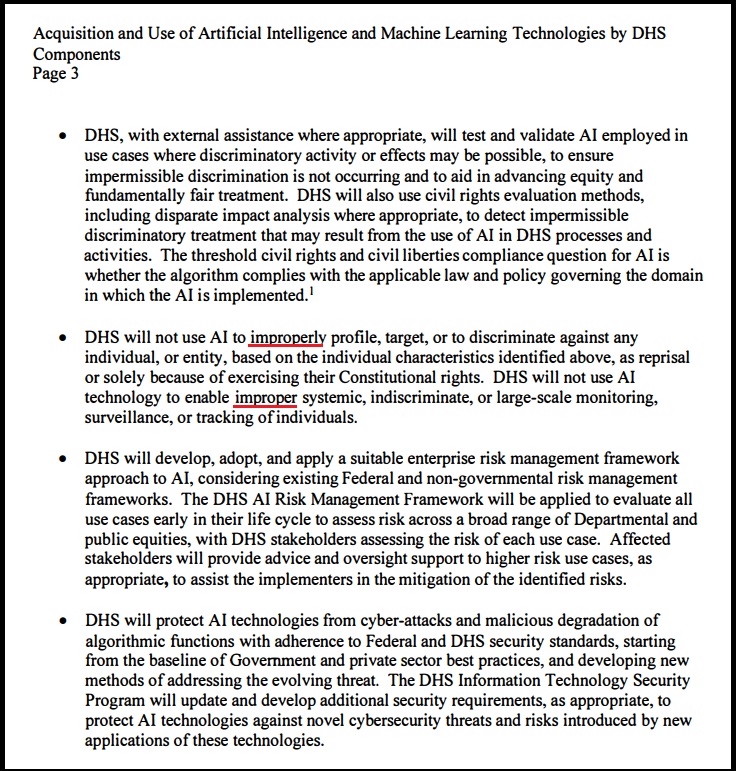
[SOURCE pdf, Page 3]
Take out the word “improper” and the admission is, DHS uses AI to profile, target and discriminate. In the second sentence, DHS currently participates in systemic, indiscriminate and/or large-scale monitoring, surveillance, or tracking of individuals. The only thing those sentences in the paragraph say, is that DHS will not allow AI to create improper outcomes within a system they outline that already exists.
Stop and reread that last sentence as much as needed. Inasmuch as this DHS guidance is telling us the rules for Homeland Security (DHS) and the Cybersecurity and Infrastructure Security Agency (CISA) as they use AI, they are also outlining what current processes of surveillance would be enhanced by it.
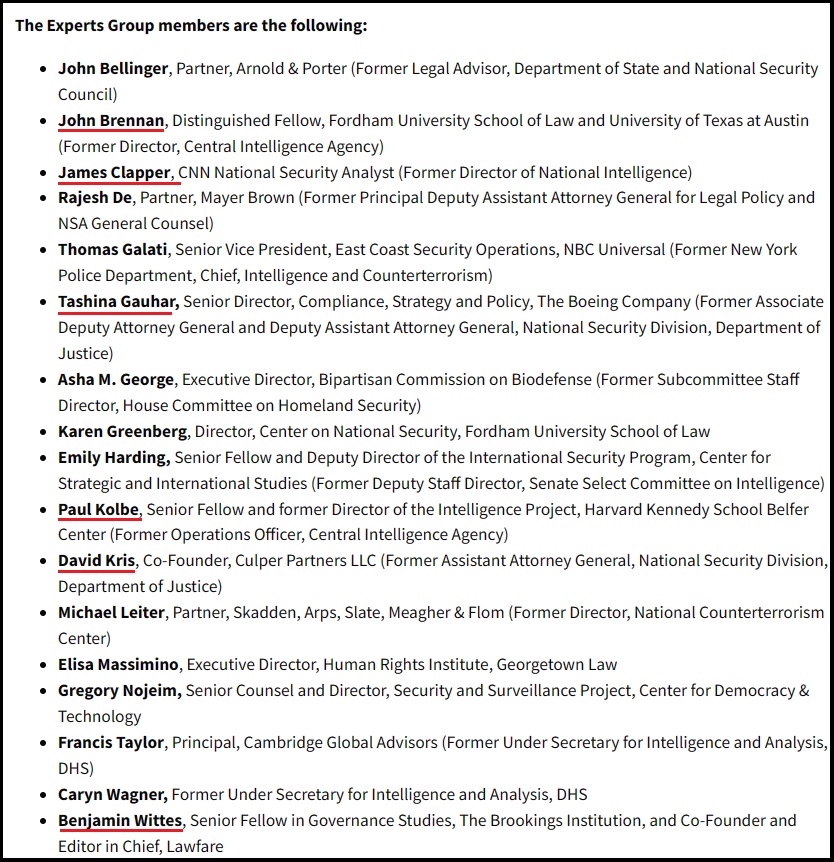
DHS’ AI task force is coordinating with the Cybersecurity and Infrastructure Security Agency on how the department can partner with critical infrastructure organizations “on safeguarding their uses of AI and strengthening their cybersecurity practices writ large to defend against evolving threats.”
What are those critical infrastructure organizations? They include voting systems. Who or what are those evolving threats? You!
(more…)
Posted in 1st Amendment,
4th Amendment,
A New America,
Big Government,
Big Tech,
Cold Anger,
Conspiracy ?,
Deep State,
DHS,
Election 2024,
Internet,
media bias,
President Trump,
Professional Idiots,
propaganda,
Tripwires,
Typical Prog Behavior,
Uncategorized,
USA