There is a shift in the U.S-Canada trade negotiations that is now beginning to surface. In preparation for what comes next Canadian trade negotiator Dominic LeBlanc is informing Canadian media to prepare for tariff permanence.
This outline may be lengthy because there’s a lot to update. First, we need to remember what the difference is between Section 232 tariffs and Sec.338 tariffs.
♦ Section 232 tariffs are the national security tariffs on steel, aluminum, autos and lumber. Those sectors of the U.S. manufacturing base are considered critical industries vital to the national security interests of America. The steel and aluminum tariffs are based on the “melt and pour” rule. All steel and aluminum products not melted and poured in North America are subject to an import tariff. Canada doesn’t melt and pour much; instead, they import from China.
Section 232 tariffs are permitted within the USMCA trade agreement because they apply to national security interests. Additionally, Canada holds tariffs and quotas against U.S. steel, aluminum, lumber and cars. The United States finally put our foot down. The 232 tariffs were U.S. national security matters and issues of trade reciprocity.
The Sec.232 tariffs against Canadian steel, aluminum, autos and lumber are the issue that triggered tariff retaliation from Canada. Remember, the 232 tariffs are the ones that matter most. These are the tariffs that form the cornerstone of a renewed American manufacturing system.
♦ When Canada retaliated against the Sec.232 tariffs with a set of punitive tariffs against U.S. products intended to target political areas of the USA that support President Trump, the Trump administration responded with retaliation of our own. Those U.S. retaliatory tariffs are the Sec.338 tariffs.
The Sec.338 tariffs are U.S. tariffs in response to retaliatory trade actions taken by Canada, which included banning U.S. alcohol imports and similar retaliatory measures. This is critical to remember. The U.S. Sec.338 tariffs are not a priority to the USA; they were simply tariffs punching back at retaliatory Canadian trade action. At the core matter, the U.S. trade position really doesn’t care much about the Sec.338 tariffs, they represent hitting back at Canada against a sector of trade that represents 0.03% of total U.S. trade.
Summary: From a strategic USA position – Section 232 tariffs are important to MAGAnomics. Section 338 tariffs are simply not important; they are basically political gloves slapping political faces.
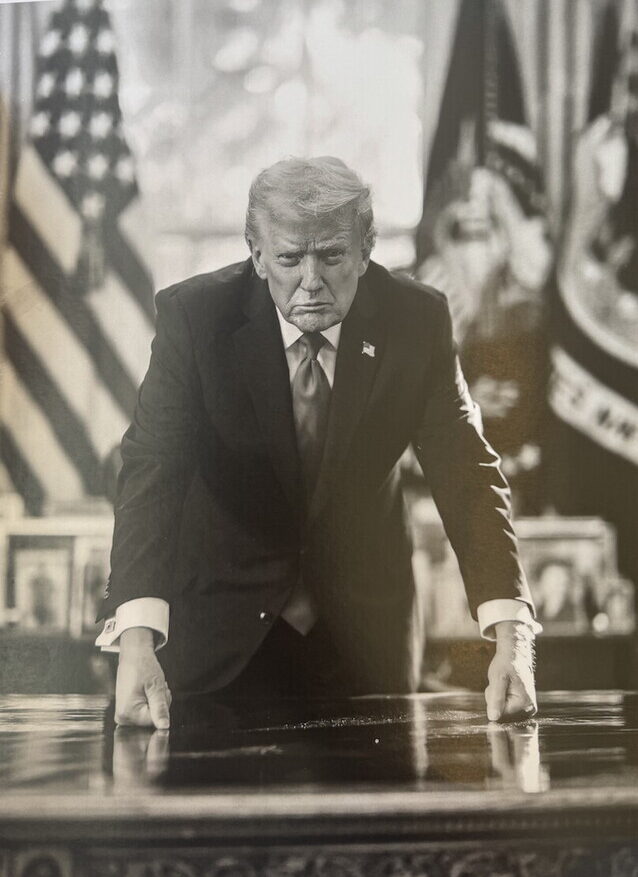 As noted by USTR Jamieson Greer and President Trump previously, the current USA position is unfazed by anything Canada does. The Section 232 tariffs against Steel, Aluminum, Lumber and Auto imports is doing the same thing as renegotiating the USMCA trade agreement to address American Steel, Aluminum, Lumber and Auto manufacturing.
Additionally, within all of the USA’s trade agreements with every nation, there are Sec.232 type tariffs against imported steel, aluminum, autos and lumber. These are the baseline tariffs that exist in every Free Trade Agreement (FTA).
With that established, now we enter the update from Canadian trade negotiator Dominic LeBlanc, and the consideration of the USA midterm election outcome as to how it may impact U.S-Canada trade outcomes.
In the video, Dominic LeBlanc begins the process of telling the Canadian CBC viewer audience that U.S. tariffs against Steel, Aluminum, Autos and Lumber are not going away regardless of what position(s) Canada takes toward any trade negotiation. There are going to be tariffs against Canada, applied to these sectors.
LeBlanc’s new approach in the negotiations is simply to lower those tariff rates as much as possible, positioning Canada to have lower tariffs than the rest of the world.
Some of this might sound familiar, because it was/is the starting point, the original U.S. position, the exact same place where all of this started. The U.S. applied the same (even lower) Sec.232 tariffs against Canada that we applied toward every other nation (China much higher). In essence, what LeBlanc is now saying Canada will have to accept, is the same exact starting place that Canada previously went bananas about.
 ♦ Midterm Impact – LeBlanc also notes another USA position. If Canada accepts the Steel, Aluminum, Auto and Lumber tariffs, then –and only then– will the USA be willing to enter into negotiations for a USMCA (CUSMA) 2.0 agreement, that will also include Mexico.
If there is a USMCA 2.0…. it is down the road, a long way away, a complete and exhaustive trade refresh that will likely take months of carefully worded detailed sectoral analysis with extreme limits and bold guardrails. The midterm election outcome and the congressional shift in power makes a USMCA 2.0 more likely because the trade power and authority of the Executive Branch will be ¹challenged by the Legislative branch, but the outcome(s) are not certain.
Within any potential USMCA 2.0 there would be strong U.S. trade policy to block the entire North American market from Chinese imports specifically surrounding industrial manufacturing sectors and autos. That reality explains why Prime Minister Mark Carney has started strongly emphasizing that Canada’s renewed trade with China is only about oil, gas, beans and agriculture – nothing of material substance. Carney has shifted his talking points on this over the last two weeks, downplaying the industrial trade sectors within the Canada-China trade discussions.
From the LeBlanc interview we can essentially see that President Trump and USTR Greer are saying what they have consistently said about the U.S-Canada agreement. First, Canada must accept the U.S. tariffs against Steel, Aluminum, Autos (which includes trucks), sub-sector heavy trucks (semis – new), and Lumber (new-ish), while simultaneously Canada will be responsible for lifting quotas and non-tariff barriers (dairy). The latter hits on the reciprocity angle.
Canadian legal trade experts have looked closely at the Executive Branch authority within the U.S. system and recognize that regardless of what an allied U.S. congress may seek to initiate, the power of the President to determine trade policy is plenary. It would be extremely difficult, if not legally impossible, for congress to wrestle control of trade policy away from the Executive. The congressional power lies in the ‘ratification’ of trade agreements, not their construct.
♦ ¹This is where the congressional opposition comes into play. Joining Canadian media from the Halifax International Security Forum to discuss the bilateral relationship and his upcoming role as Chair of the U.S. Senate foreign relations committee, Democratic Sen. Chris Coons of Delaware speaks about trying to block President Trump.
If you listen to the entire interview, you will recognize that Senator Chris Coons outlines exactly what CTH would be the leftist response to the U.S. position on trade. Smother Trump withe investigations, make supporting him untenable for Republicans and then try to dismantle the entire trade agenda. However, I have prompted the video to the aspect that surrounds the U.S-Canada Sec.232 and Sec.338 aspect. WATCH:
.
~ Support CTH Here ~
HQ: Why are gold, silver and platinum crashing?