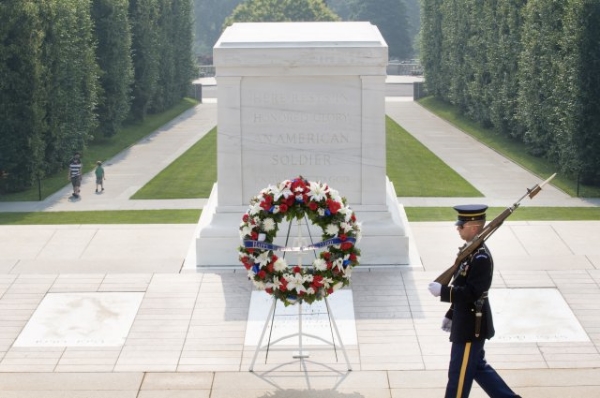
 Our Father, who art in heaven, hallowed be thy Name. Thy kingdom come. THY WILL BE DONE, on earth as it is in heaven. Give us this day our daily bread. And forgive us our trespasses, as we forgive those who trespass against us. And lead us not into temptation, but DELIVER US FROM EVIL.
For Thine is the kingdom and the power and the glory, forever and ever. Amen †
.
Posted in Uncategorized
The Three Servicemen Vietnam War Memorial Washington DC by Carol Japp

☘️
CCR-Fortunate Son
Truth from long ago . . . Thanks Mo. 🙂
My generation…
USS Constitution Boston by Carol Japp

☘️
USS Constitution Tribute Song – “Old Ironsides”
Thank you, Mo.
When I was 12yrs old I toured the USS Constitution.
It touched my little girl heart, even then.
Truli
My folks took my brother and me at about that age, and I took my kids similarly.
I loved it.
Also saw my first “amphibious” car – We were riveted watching it drive down the ramp and into the harbor.
Almighty God, we give you thanks for surrounding us, as daylight fades, with the brightness of the vesper light; and we implore you of your great mercy that, as you enfold us with the radiance of this light, so you would shine into our hearts the brightness of your Holy Spirit; through Jesus Christ our Lord. Amen.
Grant us, Lord, the lamp of charity which never fails, that it may burn in us and shed its light on those around us, and that by its brightness we may have a vision of that holy City, where dwells the true and never-failing Light, Jesus Christ our Lord. Amen.
O Lord God Almighty, as you have taught us to call the evening, the morning, and the noonday one day; and have made the sun to know its going down: Dispel the darkness of our hearts, that by your brightness we may know you to be the true God and eternal light, living and reigning for ever and ever. Amen.
Seek him who made the Pleiades and Orion, and turns deep darkness into the morning, and darkens the day into night; who calls for the waters of the sea and pours them out upon the surface of the earth: The Lord is his name. Amen.
Amos 5:8
https://www.beliefnet.com/prayers/christian/bedtime/evening-prayer.aspx
In about an hour, it will be exactly thirty years since TWA 800 was shot down after departing JFK airport. 230 innocent people were murdered. For what, we still don’t know.
May God grant justice and closure to these families.
We remember.
The GREAT SHAKING Begins?!! | Haggai 2 Points to July 17–31
Now the real war for our Country and freedoms begins. At least I pray it is so.
This is excellent analysis IMO.
BTW. Who here goes to COSTCO? When you go do you get the $5.00 rotisserie chicken? If so, have you ever used it to make chicken & noodles? Makes enough with plenty of chicken in it for a meal for a family of 4 with some left over.
And yes I know about the law suit because of the carrageenan and sodium phosphate and relatively high sodium but I still think it’s great.
It’s the best chicken and the hot dogs for $1.50💯🎯
Amen
☘️