Hurricane Beryl has been churning her way through the Caribbean for the past few days. She is now a dangerous CAT-4/CAT-5 storm nearing the island of Jamaica. Beryl is a very dangerous storm with a well-defined eyewall.
The positive aspect is the eye is generally only about 45 miles wide. However, she is pushing a massive amount of water and extreme tidal surges and storm surges should be anticipated.

National Hurricane Center – At 800 AM EDT (1200 UTC), the eye of Hurricane Beryl was located near latitude 16.9 North, longitude 75.3 West. Beryl is moving toward the west-northwest near 20 mph (31 km/h), and this general motion should continue through today, followed by a turn more toward the west tonight or Thursday. On the forecast track, the center of Beryl will move rapidly across the central Caribbean Sea and is forecast to pass near or over Jamaica later today. The center is expected to pass near or over the Cayman Islands tonight or early Thursday and move over the Yucatan Peninsula of Mexico early Friday.
Reports from NOAA and Air Force Reserve Hurricane Hunter aircraft indicate that maximum sustained winds are near 145 mph (230 km/h) with higher gusts. Beryl is a category 4 hurricane on the Saffir-Simpson Hurricane Wind Scale. Some weakening is forecast during the next day or two. However, Beryl is forecast to be at or near major hurricane intensity while it passes near Jamaica later today and the Cayman Islands tonight or early Thursday. Additional weakening is expected thereafter, though Beryl is forecast to remain a hurricane in the northwestern Caribbean. (more)

.
With this much advanced notice residents along the South Texas coast should begin reviewing their prior supplies and updating their hurricane preparations. Much could change over the next 72-hours, but a review of supplies and locating stored material is a prudent approach.
Check your hurricane supplies of shelf-stable food, water, medicine and don’t forget pets. Prepare for the worst and hope for the best. Everything is replaceable, except you and your family. If you need assistance, use the comments section of any ‘Update thread’ to reach out, or use the email address in the upper right of the site.
Right now, you are in control. Have a solid plan, work that plan – stay busy, and don’t get caught up in the hysteria. Try to avoid national media hype. Stay updated via your local news stations. Sunday morning looks like the key day impact zones will be identified. Reach out to your neighbors; touch-base and check to see if they are okay or need anything. Community restoration begins before the storm arrives. Look out for each-other.
Regarding any evacuation plan, please pay attention to your local officials who will be coordinating with state Dept. of Transportation. As the path and impact zone of the storm becomes more predictable your local officials will alert to best route(s) for evacuation.
For those in the cone of uncertainty, remember, planning and proactive measures taken now can significantly reduce stress in the days ahead. Plan when to make the best decision on any evacuation (if needed) consider Sunday the decision timeframe. As a general rule: take cover from wind – but evacuate away from water.
DAY ONE (Friday)
- Determine Your Risk
- Make a Written Plan
- Develop an Evacuation Plan
- Inventory hurricane/storm supplies.
- Withdraw cash based on plan/need.
- Get gas and storm supplies
DAY TWO (Saturday)
- Get Storm Update
- Assemble and purchase any missing Hurricane Supplies
- Contact Insurance Company – Updates
- Secure Important Papers.
- Update/upload your phone data.
- Strengthen and Secure Your Home
- Discuss Evacuation Decision with your Family.
- Fill freezer with 3/4 full water jugs.
DAY THREE (Sunday/Monday)
- Get Storm Update
- Re-Evaluate your Supplies based on storm update
- Finish last minute preparation
- Plan for a minimum of THREE DAYS without power
- Assist Your Neighbors
- If Needed – Evacuate Your Family
.
Communication is important. Update your friends and family contact list. Stay in touch with family and friends, let them know your plans. Select a single point of contact for communication from you that all others can then contact for updates if needed.
Organize your important papers, insurance forms, personal papers and place them in one ‘ready-to-go’ location.
Evaluate your personal hurricane and storm supplies; update and replace anything you might have used. Assess, modify and/or update any possible evacuation plans based on your location, and/or any changes to your family status. Fill car with gasoline. Review prescriptions, refill if needed.
Check your shutters and window coverings; test your generator; re-organize and familiarize yourself with all of your supplies and hardware. Check batteries in portable tools; locate tools you might need; walk your property to consider what you may need to do based on the storm’s path. All decisions are yours. You are in control.
Consider travel plans based on roads and traffic density. Being proactive now helps to keep any future stress level low. You are in control. If you have pets, additional plans may be needed.
One possible proactive measure is to make a hotel reservation further inland that you would consider evacuating to. Follow updates of the storms’ progress; make reservations Friday (or Saturday latest) if determined; you can always cancel if not needed. It is better to have a secondary evacuation place established in advance. Being proactive reduces stress. Even if you wait until much later to cancel, it is better to pay a cancellation fee (usually one night charge) than to not have a plan on where to go. Trust me, it’s worth it. Protect your family. Make the booking decision in the next few days.
♦ Look over the National Hurricane Center resources for planning assistance.
♦ Also a great resource – CREATE A PLAN
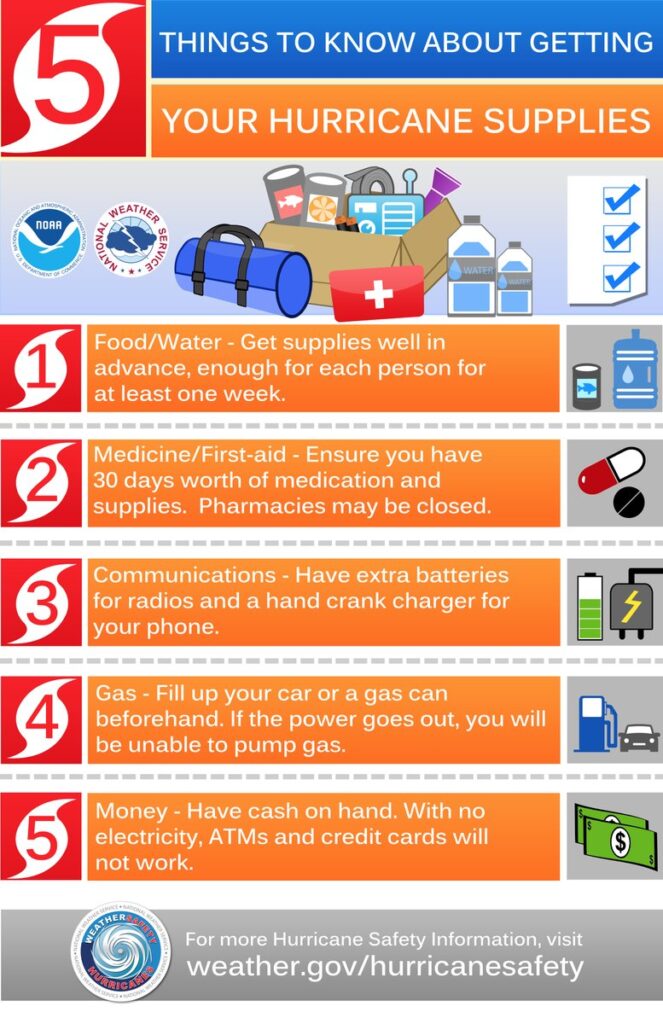
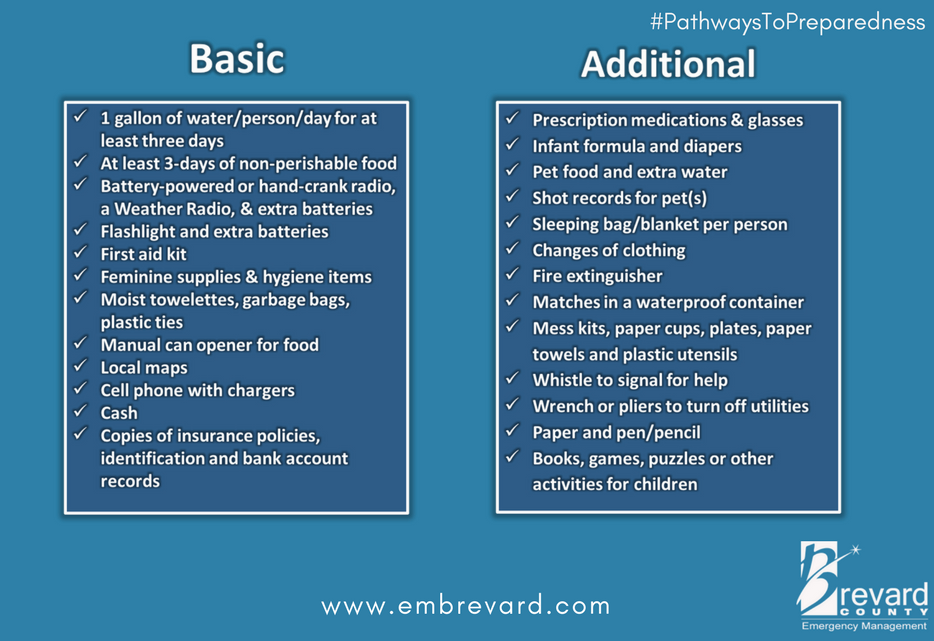
I am duplicating information for sharing and bookmarking in case you missed it last year.
The ‘context’ of Hurricane Ian prep was shared previously {Go Deep}. What follows below are things to consider if you are prepping for a hurricane impact and/or deciding whether to stay in your home or evacuate. Standard hurricane preparations should always be followed. Protect your family, secure your property and belongings, and prepare for the aftermath.
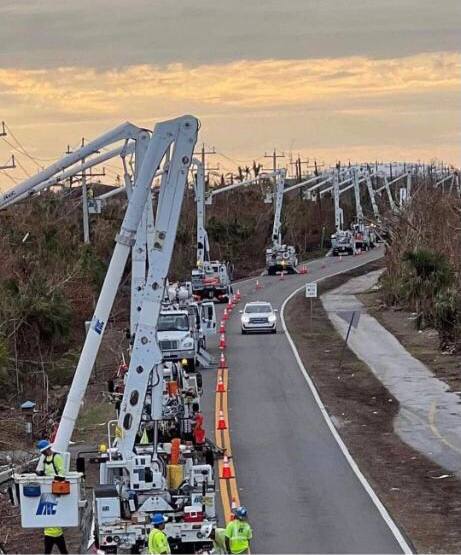 What you do before the hurricane hits is going to determine where you are in the recovery phase.
Additionally, and this should be emphasized and discussed within your family, if you cannot be self-sufficient in the aftermath – for any reason, then you should evacuate.
Self-sufficiency in this context requires being able to cope for up to several weeks:
(1) potentially without power; (2) potentially without potable running water (3) potentially without internet service; (4) potentially without communication outside the region; and (5) with limited municipal and private sector assistance. If you decide you cannot deal with these outcomes, you should evacuate.
Additionally, as a family or individual, you should also honestly evaluate:
(1) your physical abilities; (2) your emotional and psychological ability to withstand extreme pressures; and (3) your comfort in losing daily routines, familiar schedules and often overlooked things you might take for granted.
Post hurricane recovery is fraught with stress, frustration and unforeseeable challenges.
I saw a video presented by a structural engineer who was sharing his experience with Hurricane Ian. I am going to use his video for a few references because even with professional credentials, some of the common mistakes people make are highlighted in his experience. Keep in mind his video is taken about 30 miles inland from where the majority impact area (coastal region) is located.
The video below was shot from the soft side (western side) of the storm, and if we were to scale the difference between his experience and a person who was located in/around Fort Myers Beach, Sanibel, Pine Island or Cape Coral, the videographer would be around a “5” on a ten-point impact scale.
Meaning the severity of conditions 30 miles southeast of him was twice as severe as his inland experience.
Key Points – At the 21: 35 moment (prompted), notice how his #2 vehicle is parked outside. Also, at the 22:00 minute moment, notice what he is describing and showing with his garage door and how his #1 vehicle (a pickup truck) is positioned inside the garage. WATCH:
.
♦ This is exactly what I was talking about in hurricane preparation when discussing the garage door. If that videographer was located 30 miles southeast, and/or his house was positioned facing West, instead of North, his garage door would have failed. If you lose the garage door, YOU COULD LOSE YOUR ROOF.
You can always tell those people who have been through direct hurricane impacts by how they parked their cars. I have never included this in the hurricane advice before so it’s worth a mention. If you lose your garage door you will more than likely lose your roof. That’s just the reality of having a massive opening in your structure to 100+ mph winds that can lift the trusses.
If you have two vehicles, put one vehicle inside the garage with the front bumper against the door to help stop the flex (do this carefully). Put the other vehicle outside blocking the garage door facing down the driveway or facing parallel to the garage. The goal is to use the aero dynamics of the car to push the wind away from the door and provide protection.
Purchase a cheap car cover to protect the outside vehicle and/or use old blankets (cable ties, bungee cords) to stop the outside vehicle from getting sandblasted and destroyed. Place double folded corrugated cardboard in front of the radiator to protect it from storm debris.
Additionally, if you live in a flood zone, or if you are concerned about storm surge, the day before impact take your #1 car to the nearest airport or hotel with a parking garage and park in the upper levels. Take an uber back home if you don’t have a friend or partner to help you. This way you know you will have one workable vehicle, just in case.
♦ Another lesson from Ian, if you drive an electric vehicle and sustain saltwater intrusion (of any level) your car is not safe. Saltwater makes the vehicle batteries extremely dangerous, and they could spark or catch fire. Multiple homes survived Hurricane Ian only to have the electric car catch fire in the garage and burn the house to the ground. Hurricane rain is saltwater rain. The fire department was begging people to put their ev’s outside and not to plug them in. Dozens of ev’s also erupted in flames while driving down the streets after the storm.
Back to the video above…
♦ Notice at 24:30 of the video this professional structural engineer is standing and physically supporting his glass patio doors, with his wife, trying to keep them from breaking inward due to wind and pressure changes. DO NOT DO THIS ! That is beyond dangerous. Any small item of debris (even a small twig or branch) could hit that window and shatter it, turning flying glass into instant flying blades.
Instead, put 3/4-inch plywood or steel bolted hurricane shutters over all your windows and doors. Period. This is not an option. My steel bolted hurricane shutters were hit with debris so hard – whatever it was physically dented the steel. Every window and door need to be covered and protected, especially glass patio doors (even if tempered). Do not think you can stand there and protect glass doors. It’s beyond dangerous.
♦ Hardening your home is a matter of careful thought and physical work. However, every opening into your structure must be protected, leaving yourself with one small exit opportunity just in case. Hopefully you have a bolted door with no glass windows you can use as an emergency exit. If not, select a small window and leave only enough room uncovered for you to get out in case of emergency or structural collapse.
Beyond the ordinary supplies like drinking water, batteries, flashlights, battery or hand-crank radio, generators, gasoline, etc. Evaluate the scale of what you have against the likelihood of weeks without power or water. A few pro tips below:
♦ Put three 30-gallon trash cans in the shower and fill them with water before the storm. This will give you 90 gallons of water for cooking and personal hygiene. You will also need water to manually flush your toilets. Bottled water is great for drinking, hydrating and toothbrushing, but you will need much more potable water if the municipal supply is compromised or broken.
♦ A standard 6,500-to-8,500-watt generator will run for approximately 8 hours on five gallons of gasoline. Do not run it all the time. Turn it on, chill the fridge, make coffee, use the microwave or charge stuff, then turn it off. Do this in 4-hour shifts and the fridge will be ok and your gasoline will last longer. Gasoline is a scarce and rare commodity in the aftermath of a hurricane. Gas stations don’t work without power. Check the oil in the generator every few days. Also, have a can of quick start or butane available in case the generator starts acting up.
♦ Extension cords. If you are purchasing them buy at least one 100′ extension cord with a triple ponytail. This way you can use one cord into a central location to charge up your electronic devices. Establish a central recharging station for phones, pads, laptops, and rechargeable stuff.
♦ Purchase a box of “contractor garbage bags” and just keep them in the garage. These are large, thick, industrial trash bags that fit 40-gallon drums. They can be used for trash, or even cut open for tarps in the aftermath of a storm. These thick mil contractor bags have multiple uses following a hurricane.
♦ Do all of your laundry before the hurricane hits. You will likely not have the ability again for a few weeks.
♦ Cook a week’s worth of meals in advance of the hurricane. Store in fridge so you can microwave for a meal. Eating a constant diet of sandwiches gets old after the first week. Dinty Moore canned beef stew and or Chef-boy-ardee raviolis can make a nice break…. anything, except another sandwich.
♦ Have bleach for use in disinfecting stuff before and after a hurricane. Also have antibiotics and antiseptics for use. Hygiene and not getting simple infections after a hurricane is critical and often forgotten. Again, this is where the extra potable water becomes important. Simple cuts and scrapes become big deals when clean potable water is not regularly available. Keep your scrapes and abrasions clean and use antiseptic creams immediately.
♦ Do not forget sunscreen and things to relieve muscle aches and pains. Hurricane recovery involves physical effort. You will be sore and/or exposed to the elements. Remember, it’s all about self-sufficiency because the normal services are not available. A well-equipped first aid kit is a must have.
♦ Buy a small camping stove. Nothing big or expensive, just something you can cook on outside in case of emergency. It will be a luxury when you are 2+ weeks without power and all the stores and restaurants are closed for miles.
♦ Those small flashlights that you can strap around your head that take a few AAA batteries? Yup, GOLD. Those types of handsfree flashlights are lifesavers inside and outside when you need to see your way around. Nighttime is especially dark without electricity in the entire town. Doing stuff like filling a generator with gasoline in the middle of the night is much easier with one of those head strap flashlights. Strongly advise getting a few, they’re inexpensive too.
♦ Cash. You will need it. Without power anything you may need to purchase will require cash, especially gasoline. Additionally, anyone you hire to help or support your immediate efforts will need to be paid. Cash is critical. How much, depends on your individual situation, but your cash burn rate will likely go into the thousands in the first few days. Also keep in mind, you may or may not be able to work and without internet access even getting funds into place could be challenging.
♦ Hardware. A box of self-tapping sheet metal screws (short and long) is important, along with a box or two of various wood screws or Tyvex screws. A battery drill or screw gun is another necessity. Check all of this stuff during hurricane prep.
♦ My #1 personal nemesis in the aftermath (pictured below):
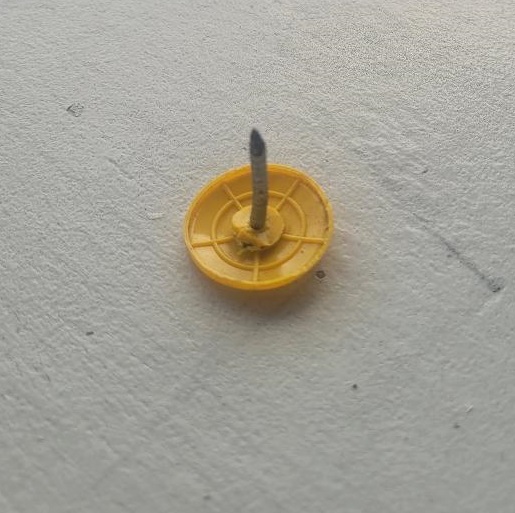
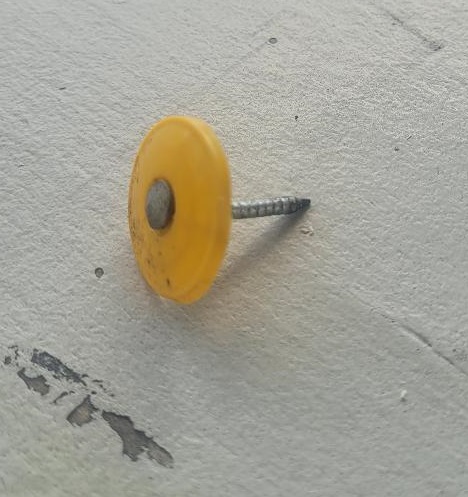
Roofing nails. The pesky roofing nails. Thousands of em’, all over. Those buggers are everywhere, and they will go through a flip-flop, sneaker sole or car tire perfectly. Most of them are black (not yellow) like the ones above. Some of them have square of flat tops to help them stand up just perfect to find your tires.
I happen to believe roofing nails are actually tire magnets with some sort of automatic triggering system to jump in front of your car at the worst possible moments. On the positive side, I think my neighborhood is safe because my tires generally pick up every one of em’. LOL and Grrrr…
I hope this is useful. [Lie to me, even if it ain’t. lol.]
Love to all,
~ Sundance

In my 72 years on the Gulf Coast, I’ve experienced far too many hurricanes. Bottom line, hurricanes are scary as heck, destroy most everything near the eye wall, spawn tornadoes, cause flooding, destroy property, and disrupt lives. I hope you all never experience one.
Marblehead, Massachusetts 1967: It was a beauty.
Agnes, East Coast 1968. Good one!
LS,….. don’t forget the Looting during/post storm:
That’s right. Went to new Orleans after Katrina to check on my brother-in-law’s house in Kenner. Armed National Guard everywhere. His neighborhood had signs made of 4′ x 8′ sheets of plywood at nearly every house, warning that looters would be shot. They were damn serious.
BIL’s house was okay. Downed tree limbs on the house, but generally okay. We went back to Texas. Got word that some car thieves tried to hot wire his wife’s vehicle. Started a fire and burned the house to the ground.
Disaster brings out the best and quite often, the worst in human nature.
Way too much Criminal “Bad Human Nature” in the Big Sleazy,… hurricane or not! The French Quarter is now a Thug shooting Gallery with people being shot and killed daily now,… including innocent tourists.
The unofficial tourist motto is: “Come on Vacation,.. Leave on Probation, or maybe Never!”
A friend of mine was NG, had been in Iraq on one of his worst deployments, and he was sent to be part of the aftermath of Katrina w/out a break. One minute Iraq, next New Orleans. It was rough, he couldn’t decide which was the most life changing. I lost touch w/him, think of him often and hope he is doing well.
Anyway, looters should be shot on sight.
Great public service, Sundance!
Here’s a recommendation for all those who aren’t in the path of a hurricane YET or who like to prep for emergencies: Invest in a GOOD headlamp that uses rechargeable batteries. My husband sometimes has to work wrecks at night, and his headlamp puts the PD’s puny little lights TO SHAME! Not only are his headlamps really, really bright, but they can project a beam a long way, and they can run on low for 8 to 10 hours nonstop.
Praying for the safety of all those in the path of this storm, but I’m also praying that some areas that desperately need rain here in Texas get it.
excellent. Any brands specifically?
I was just looking at that. We have many different brands, and they’ve all held up to lots of use and abuse. However, many of those brands are no longer available–or have changed names.
The ones with battery packs in the back and with the larger size batteries have done very well–and there are tons of those on Amazon.
South Texas here, but far enough inland to be OK, probably. Hoping for rain as well. We are well prepped, stocked etc. Have 600 gallons capacity in rain barrels, hope they all get full. Really good info here from all the Treepers. Rode through Camille back in the day. One heck of a ride
Sundance, look at this video. He’s got some good info. This hurricane coincided with a CME (Coronal Magnetic Ejection) – he mentions that looking back on Katrina, that also coincide with a CME. He replays a video of his from February 2024 that predicted the sun increasing hurricanes this season – the sunspot cycle will be peaking during hurricane season. Beryl formed when the first geomagnetic storm of the year impacted the atmosphere.
It’s a very interesting observation and makes sense at first glance.
Confirmation that ‘climate change’ is all connected to the Sun & not us, our cars, or cow farts.
Exactly!!!
If Ben is correct, we are in for one heck of a ride this century…..
“As Above,… So Below!”
Prayers up!
And if cooking a week’s worth of food is not your thing…there is the old PBJ…or Peanut butter and honey if your jelly needs to be refrigerated…
Roofing nails…kind of like those thingys (they look like drilll bits) one finds in one’s tires after a trip on I-80 thru a construction zone…but thank you for the tips!
Gracias Sundance. As residents of the Yucatan state of Mexico we thank you. We are ready for whatever God may send us! No worries And…..
CUT THE CORD.
NO FEAR. TRUST GOD!
Bobo ,
I was just thinking of You and Pray You are Not in the Path !
Prayers up for You and All Affected by this Scary Looking Hurricane !
Even though I don’t live in Hurricane Country , I read Sundance’s Preparedness Reports Every Year as they are a Wealth of Information that can be used in Any Type of Disaster !
Stay Strong , Bobo !
CUT THE CORD !
Thank you for this information.
I read all of it, and the video.
Thank you for the advice and lessons learned.
I live in Northern Virginia and we have had remnants of hurricanes but we are 35 miles west of the cesspool. Still plenty of damage to go around here as well
Excellent advice about the garage doors. If you are an excellent parallel parker (I am) I would put the inside car length wise in the garage and yes, do the same with the second car on the exterior
I do not need to think about that one though I would enjoy doing it for others. I am the most excellent parallel parker and also enjoy driving back wards. (sorry bragging)
I do hope everyone is ready and prepared forthis storm
With those roofing nails everywhere, another essentially item to have and know how to use is a tire plug kit and a good car jack. Forget about a hurricane… just knowing how to plug a tire can get you back on the road in minutes when otherwise you’d be stranded. It only costs a couple of dollars.
Should I say it….?
Wet Wetbacks.
There.
Good day, Madam and Sirs.
(We’ll have ours soon down here…)
Brutal!
Contractors and trades will flock to those areas impacted by nature’s harsh side. It’s a Darwin kind of thing…bless them!
Let’s see what some geo-dome homes might survive (my bet is they would). And cost less to build/maintain!
“Storm Chaser” contractors,…. many known for “Rip & Skip”!
Do Not pay them Up Front for materials, etc.. If they don’t agree to your 1/3rd-1/3rd-1/3rd pay plan,…. tell’em, Goodbye.
You will only get your insurance $ for your home repairs Once, so protect it. Most SC contractors are from out-of-state, so you and the Law will never find them if they rip and run.
Amazon sells tire plug gun kits with mushroom head plugs. These are great.
👍
It should be called hurricane Biden.
After the debate the world’s weather manipulation machines have been cranked onto High. Lol. Biden/trudeau/macron need distractions and chaos. lol.
Okay, per Richard Lindzen if the temperature differential between the tropics and the higher latitudes becomes lessened (global warming), then the frequency and power of the storms/hurricanes would lessen, too.
It’s doing the opposite.
So, the temperature differential has increased.
Global cooling?
Hurrican Agnes 1972: It was really wet for a week.
I was astonished when Alberto blew through Mexico a few weeks ago that it caused flooding in the vicinity of my vacation house near Matagorda Bay, TX. We only had minor damage to my dock which was submerged, but the house was very safe. I had thought that Alberto was too far away to be a threat until I saw all the videos and pics of the flooding. Keep a weather eye!
Thanks, SD for this update. Called our son/fam in Cancun on vacay on Monday to advise H. Beryl,… they’re flying out tomorrow, 7/4.
Told them they can’t even imagine Quintana Roo province/Cancun void of potable water, power, no law/Order, no way out and too much crime.
I live in north Texas and I wouldn’t mind a little rain
The guy in the video said they lost weather updates at some point. You can get cheap hand-held ham radios on amazon that will let you monitor weather stations and get ham radio weather reports. Storm chasers use ham radio. And it’s legal for a non-licensed user to call for help on a ham frequency in an emergency. Find out the frequencies in your area and program them in.
A good & fully charged battery bank around 40,000 mAh or so can be had for cheap also and is good for keeping radios, phones, and rechargeable batteries charged up – along with a USB battery charger.
And you can’t have too many flashlights. I like to carry a Coast AA HX5 – a good, cheap, and dependable pocket flashlight that can use a regular AA battery or you can supercharge it with a rechargeable 3.4 volt lithium battery for a little extra brightness. and the slide focus is handy too. I’ve been submerged in the river with mine and it stayed pretty much dry with just a little fog in the lens which dissipated after a while. It’s always good to have a reliable light when you need it. But have more than one, and plenty of fresh batteries to go with.
Hand-cranked am/fm weather radios are good to have, many can also charge up a cell phone battery.
A good water filter is a necessity. Gravity drip systems are low cost – you can set one up between two 5-gallon buckets – dirty water in the top bucket and filtered water in the lower bucket. You can find one that removes just about any contaminates, and silver impregnated filters will kill bacteria, viruses, and other micro-organisms.
And self-defense. We all know what to do there and most should already be ready to face the worst case.
Good luck and God Bless.
(I am from the Tx coast ..but live inland right now)
You can not have too much water on hand!
Water is life – you can’t last long without it. Remember that your hot water heater also is a water source, with most houses having a 40 or 50 gallon tank.
If you have a 4′ of a corner of your garage or even shed that isn’t already claimed, IBC tote’s can hold a lot of water and when empty are light enough to be able to be handled by one person. They come in 275 and 325 gallon sizes and you can often find ones that were used for food grade storage locally that are used, but sanitized (regulations allow them to only be used once). They will be have to 1/3rd the price of new ones. Whether new or used and sanitized, I would counsel you sanitize them after you get them home. Rinse well afterwards. They look like this:
They also work well for storage of rain water. For potable (drinking) water, suggest draining and refilling once a year – or cycling the water with a quality aquarium filter that uses activated carbon for a few hours every month. Keep covered with a tarp or black sheet plastic for long term water storage to prevent the possibility of algae growth.
Oh, and be prepared to defend.
I use the 330 gallon totes for rainwater storage. Amazon sells covers for these pretty cheap, but I also make colloidal silver and use it in the tanks to prevent algae growth and kill bacteria. The water from these tanks still needs to be filtered before drinking, regardless. The totes run about $65 used in my area. Dish soap and baking soda is good for clean out, or bleach, you can roll them around in the yard to distribute the soap, and then rinse them out.
I have one rigged with a 12 volt pump powered by a solar-charged battery in case the power gets knocked out.
Thank you, Sundance, for the excellent information and coaching.
Blessings to you 🙏🏻🙏🏻👊👊
Love you Sundance for always sharing this during ‘cane season. Having lived through some wicked ones, I always worry when the season begins for all the newbies on the coast who have no idea what to expect. Bless you.
Thank you Sundance. God Bless you and your family and friends. Blessings.
I happen to live 6 blocks from the Matagorda Bay (off the Gulf) smack in the center of the Gulf Coast.
I now own a building with multiple garage doors (for walls )…lol.. so I am building something to work for the pressure….
I dont think I can actually get a car in I may try?
Other than that, I am ready…..
It may be my first hurricane in this building, but not my first hurricane ….Florence was EVIL….